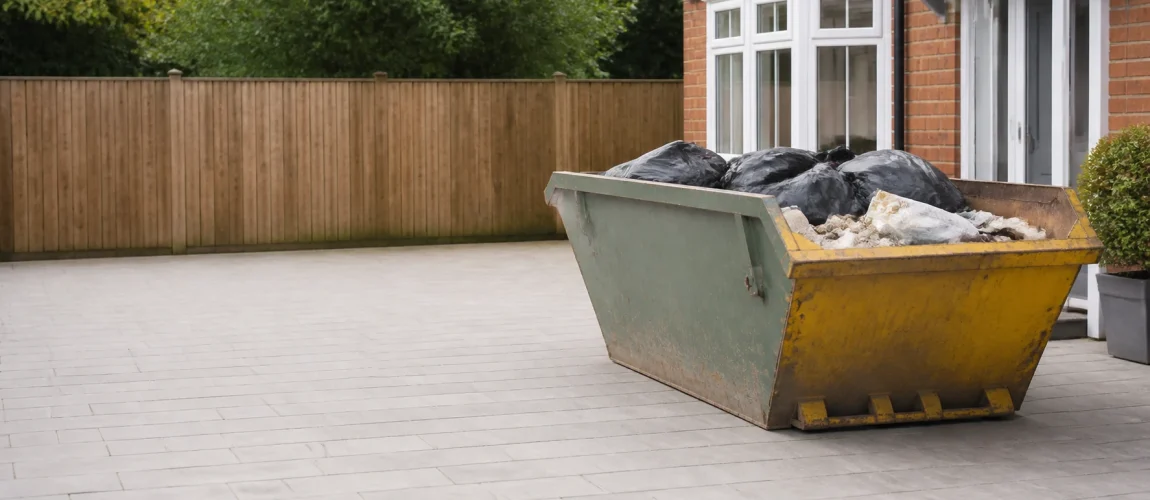
A skip is often booked with a rough end point in mind, but projects do not always move at the pace you expected. A room can be cleared sooner than planned, a builder may finish a messy stage ahead of schedule, or you may simply want the driveway clear again before the next job starts.
Early collection is a normal part of organised skip hire. The key is knowing when to ask, what information helps, and how to make sure the skip is ready when the lorry arrives. Done well, it keeps waste moving, protects space around the property and makes the whole job feel calmer.
Can you ask for early skip collection?
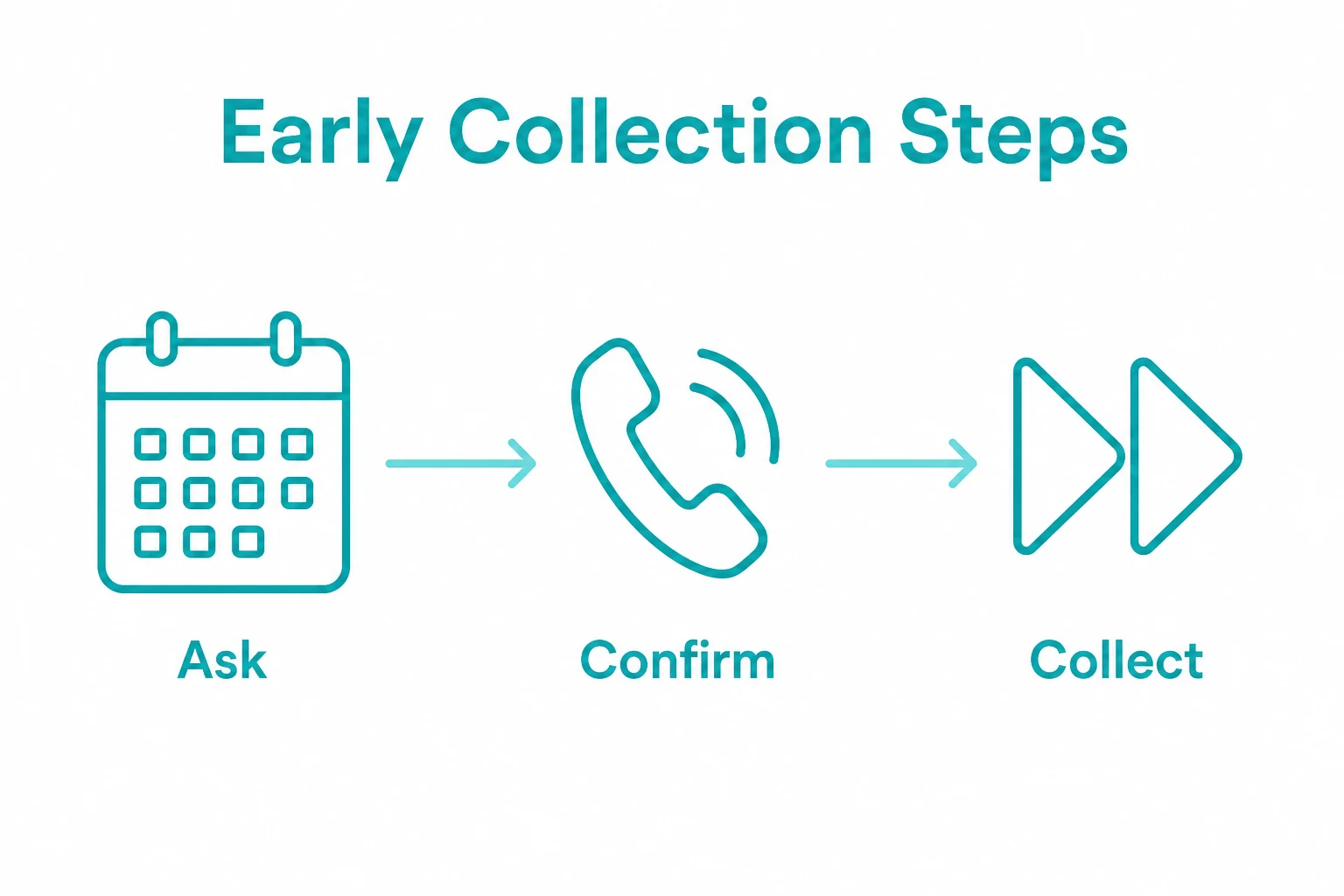
Yes. If your skip is full, or you no longer need it, you can usually ask for it to be collected earlier than the date first discussed. Skip hire is built around movement: empty skips are delivered, full skips are lifted away, and waste is taken onward for sorting.
The best approach is to contact the skip company as soon as you know the skip is ready. Give your booking name, address, skip size if you know it, and a simple note that collection can now be arranged. If access is shared, narrow, gated, or affected by parked vehicles, mention that too.
Early does not have to mean urgent. A practical skip hire company such as Centrowaste can check the schedule and explain the next available option.
Before you request collection
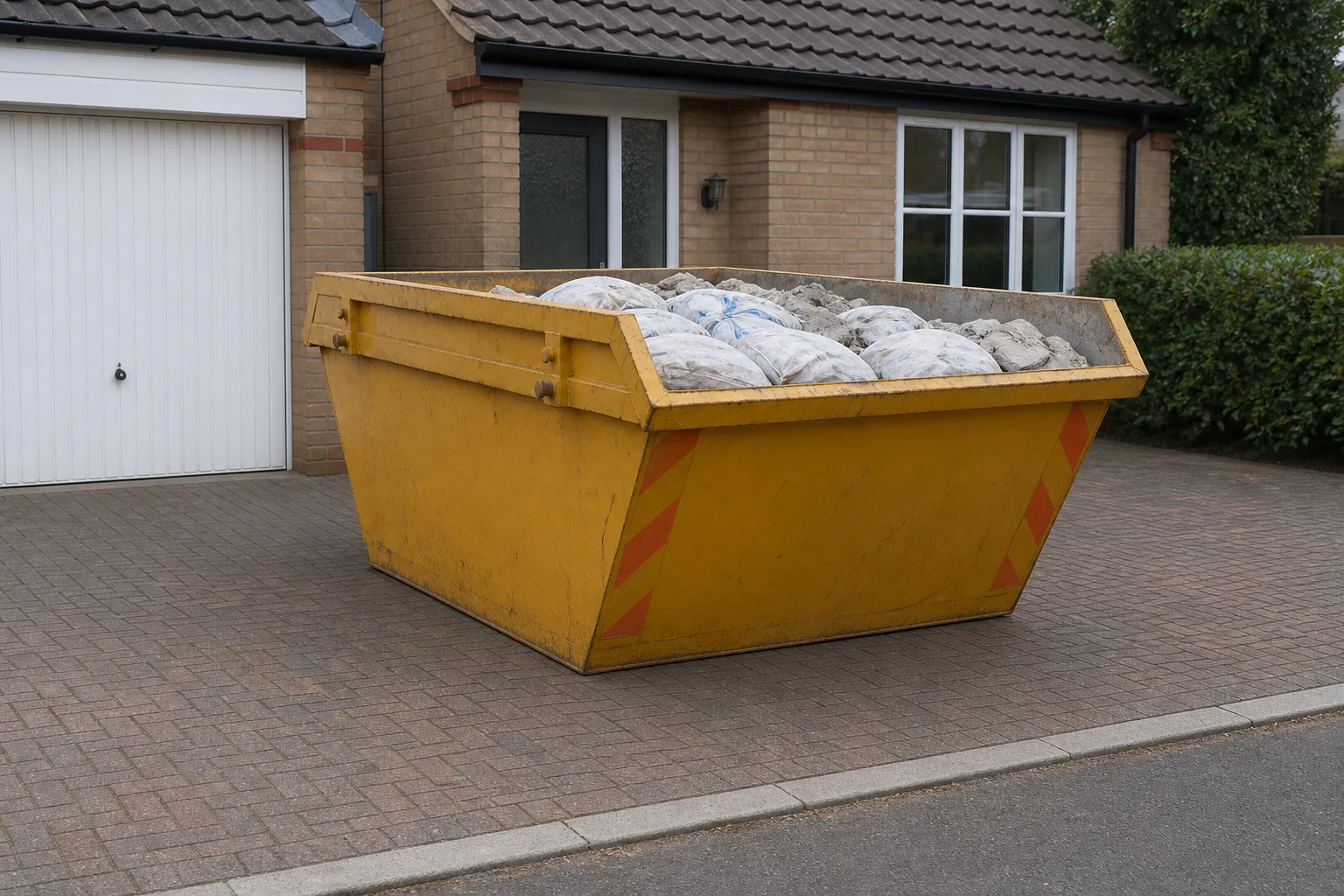
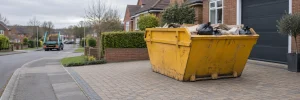
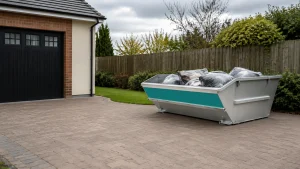
Before asking for collection, take a few minutes to check that the skip is ready to move. The most important point is the fill level. Waste should sit within the sides of the skip, with nothing sticking out above the top edge. An overloaded skip can be unsafe to lift and transport, so it may need to be adjusted before collection can happen.
Check that the contents are suitable too. General household clear outs, renovation debris, bagged waste, soil, rubble and garden materials are common skip loads, but some items need separate handling. Electrical items, fridges, tyres, chemicals, asbestos and liquid waste should not be placed in a general skip unless you have agreed it first.
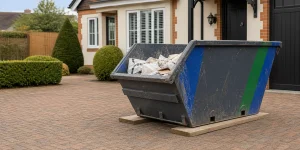
It is also worth keeping the area around the skip clear. Move tools, wheelbarrows, stacked timber, loose bags and parked vehicles away from the lifting space. If a gate, bollard or barrier needs to be opened, make sure someone can do it.
If you are still in the planning stage, preparing properly for skip delivery can also make early collection simpler later, because the skip starts in a position that is easy to reach.
How early collection keeps a site tidy
An early collection is not only about getting rid of a full skip. It can change the feel of a project. A clear driveway, path or working space makes it easier to bring in materials, park safely, clean down the site and move on to the next stage. For domestic work, it can also restore everyday access sooner.
On small work sites, regular waste movement helps keep the job organised. Instead of letting debris gather in corners or spill into walkways, the skip becomes the central place for waste, and collection marks a clean changeover point.
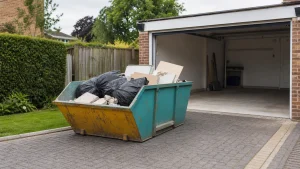
Good loading habits help here. Heavy items should sit low, lighter bulky items should be broken down where practical, and gaps should be used sensibly. For more general advice on making better use of space around the home, see Centrowaste guidance on efficient skip hire solutions for home projects.
What affects how quickly the skip can be collected?
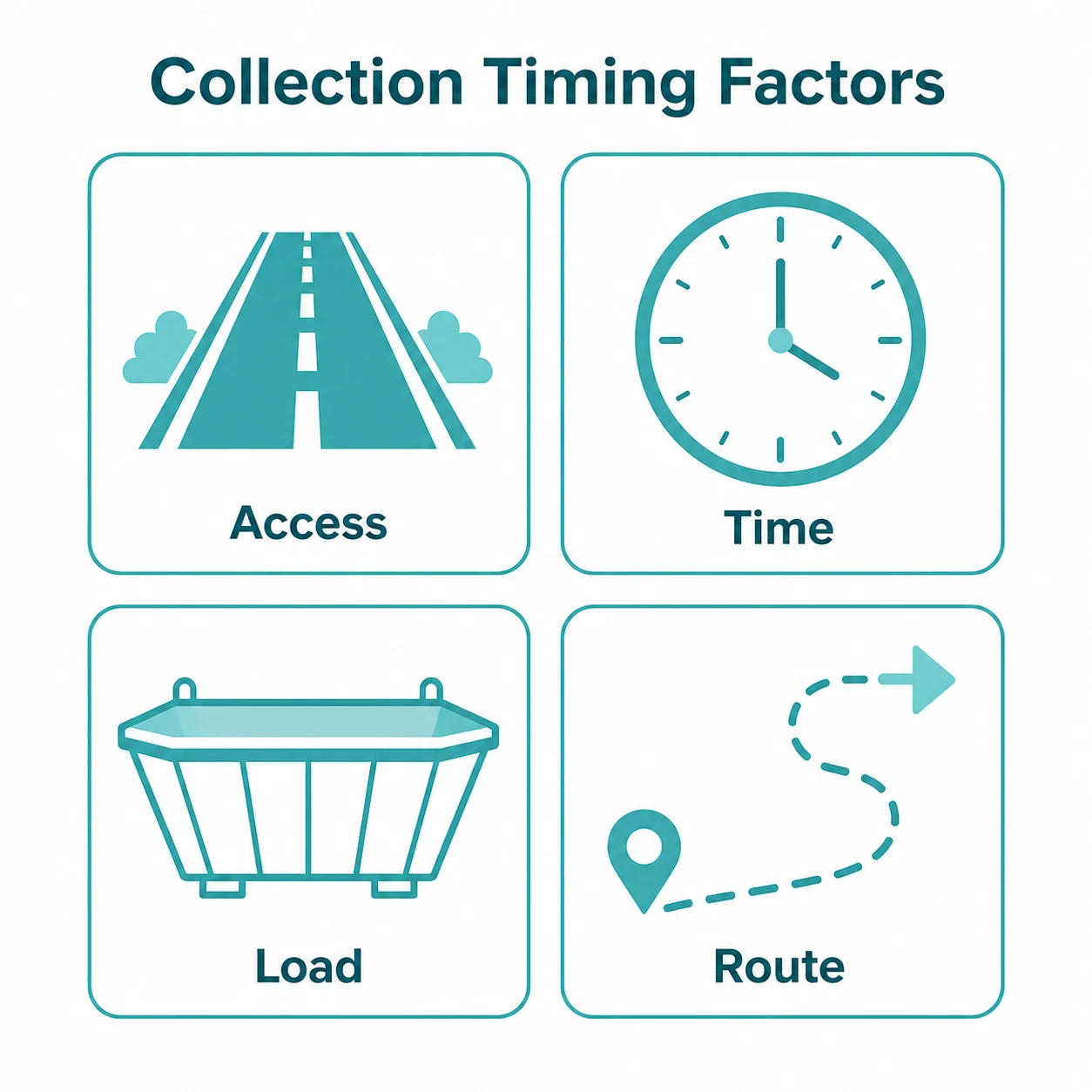
Collection timing depends on a few practical factors. The first is route planning. Skip lorries are scheduled around deliveries, collections, disposal points and driver routes, so the company will look for the nearest suitable opening. Giving notice as early as you can makes that easier.
Access is another big factor. A skip on a private drive may be simpler to collect than one where parked vehicles, gates or narrow approaches affect the lift. If the skip is placed where a permit or formal arrangement applies, the company may also need to work within that arrangement. You do not need to know every operational detail, but you should share anything that could affect access.
The type of waste can matter too. A skip full of clean rubble is different from a mixed renovation load, and some waste streams may need particular sorting or onward handling. Accurate information helps the company send the right vehicle and plan the next step properly.
What happens after collection?
Once the skip is lifted away, the waste does not simply disappear. It is taken to a suitable facility where materials can be sorted, separated and directed to the right next destination. Mixed loads may contain wood, metal, soil, rubble, plastics, packaging and general waste, and these materials are handled according to what they are and what can be recovered.
This is one reason it helps to keep obvious unsuitable items out of the skip. Cleaner, better organised waste is easier to process. You do not need to sort every small piece before using a skip, but you can make the process smoother by following the guidance given when you book and asking questions about anything unusual.
If you want to understand the wider process, Centrowaste explains what happens to waste after a skip is collected. Early collection is not just the end of the hire period. It is the point where the waste moves into the next stage of handling.
If the project is not quite finished
Sometimes early collection is the end of the job. Other times, it is the end of one phase. If you have filled the skip but still have waste to clear, you may be able to arrange a replacement skip. This can work well when a project creates waste in stages, such as stripping out first, then removing flooring, garden material or building debris later.
If the remaining waste is small in volume, awkward to load, or needs a different kind of handling, another service may be more suitable. The choice depends on how much waste you have, whether you can load it yourself and what the material is. A skip is ideal when you want a convenient container on site while the work is happening.
Centrowaste has a useful comparison of skip hire and waste collection services if you are deciding which route fits your job. The important thing is to keep the waste plan aligned with the project, rather than letting rubbish build up and interrupt the next task.
- You can usually request early skip collection once the skip is full or no longer needed.
- Contact the skip company as soon as you know the skip is ready, and share any access details.
- Keep waste within the skip sides and remove anything that needs separate handling.
- Early collection can free up space, support a tidy site and keep the next stage moving.
- If more waste remains, ask whether a replacement skip or a different collection option suits the job.
Frequently asked questions
Do I have to wait until the agreed date for collection?
Usually, no. If the skip is ready before the agreed date, contact the skip company and ask for an earlier collection. They will check the schedule and advise what can be arranged.
Can a skip be collected if it is not completely full?
Yes, a skip can normally be collected before it is full if you have finished with it. The main requirement is that the load is safe, suitable and within the sides of the skip.
What if I need another skip after early collection?
Tell the company when you request collection. If another skip is needed, they may be able to plan a replacement so waste removal continues without disrupting the project.
What should I do if access might be blocked?
Mention it when you book the collection and clear the area as much as possible. Move vehicles, open gates and keep loose items away from the skip so the driver can reach it safely.
Ready to arrange collection?
If your skip is full or your project has finished earlier than expected, contact Centrowaste with your booking details and access notes. They will help you arrange a practical collection and keep your waste moving.