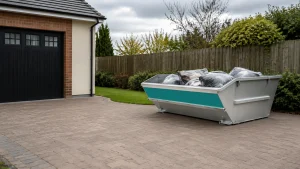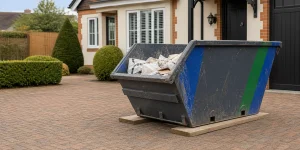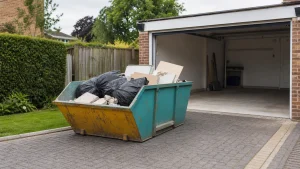
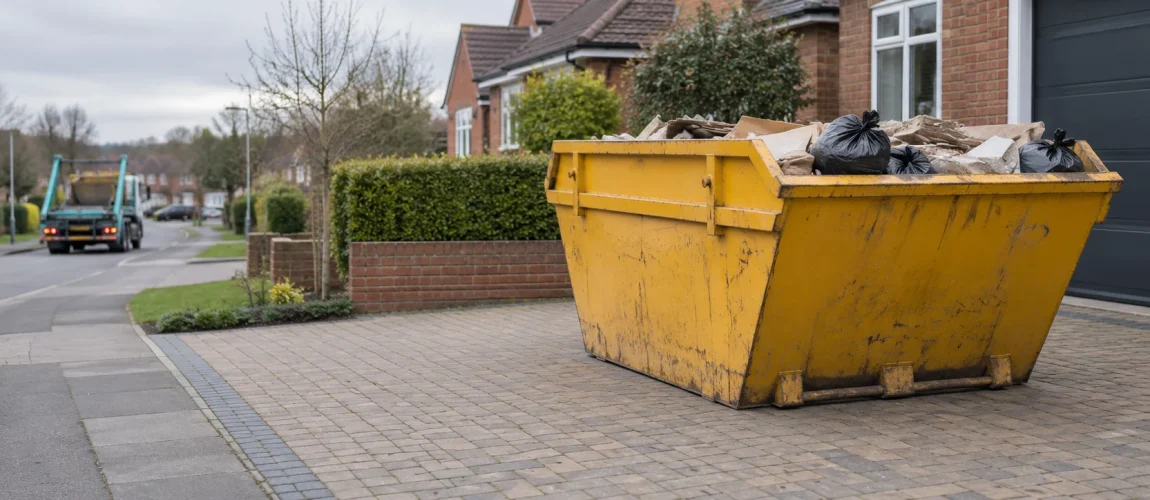
A skip is easiest to collect when the driver can approach it clearly, lift it safely and leave without needing extra manoeuvres. Most collection delays are not caused by the skip itself, but by small things around it that make the lift awkward.
The good news is that collection readiness is simple. A few practical checks before the lorry arrives can help keep the process smooth, tidy and straightforward for everyone involved.
Keep the area around the skip clear
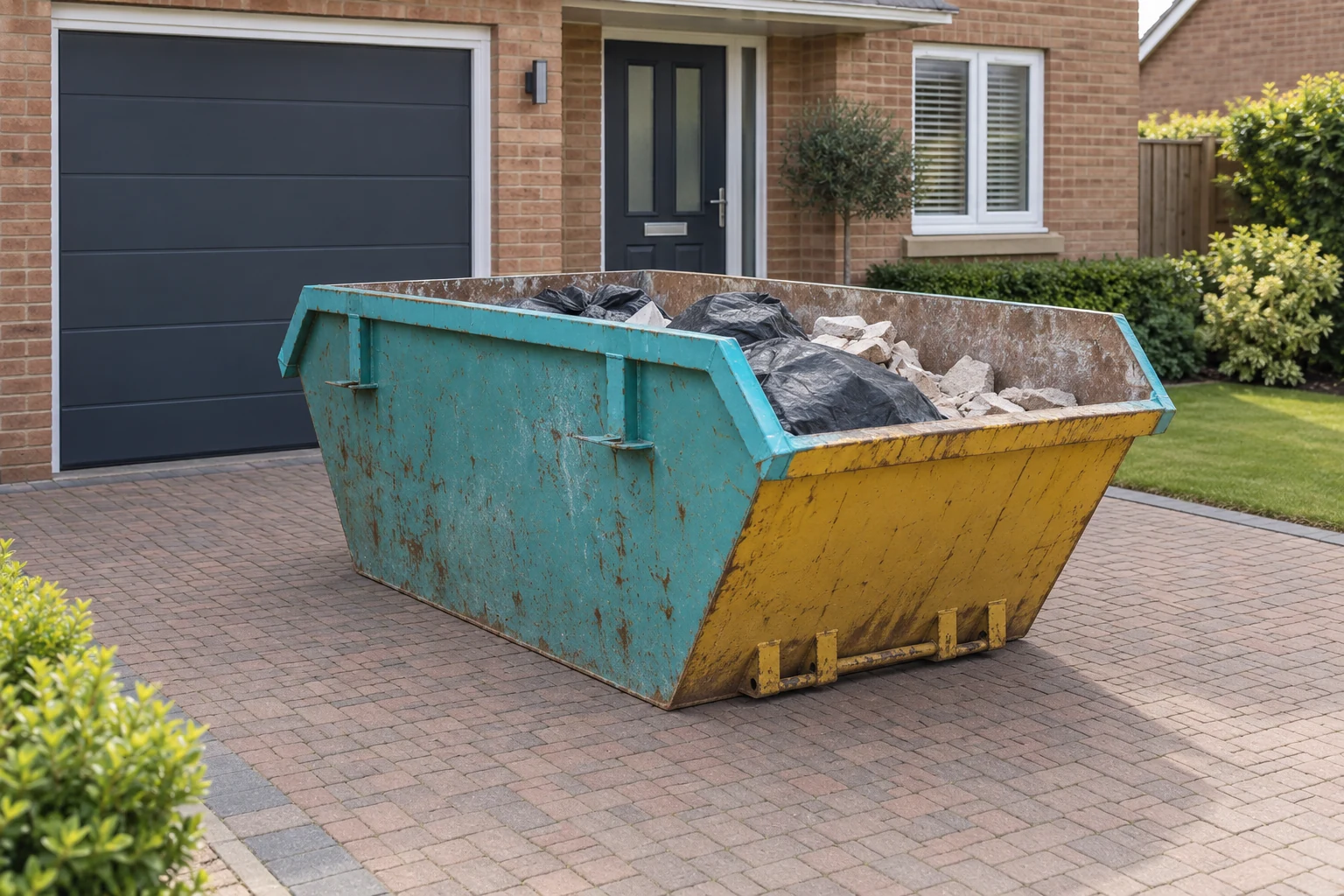
The most helpful thing you can do is keep the space around the skip free from loose items, tools, bags, timber, parked vehicles and anything else that could block access. A skip lorry needs enough room to line up with the skip, operate safely and lift the container without obstructions close to the sides or ends.
Try to avoid leaning items against the skip once it is ready for collection. Even if those items are waste, they may stop the lifting gear from reaching the skip properly. If something is meant to go in the skip, place it inside before collection day, provided it is allowed and the skip is not overfilled.
It also helps to check gates, drive entrances and shared access points. If a neighbour, visitor or tradesperson parks in front of the skip, the driver may not be able to complete the collection. A quick check the evening before and again on the morning of collection can prevent a simple blockage from becoming a wasted visit.
Load the skip so it can be lifted safely
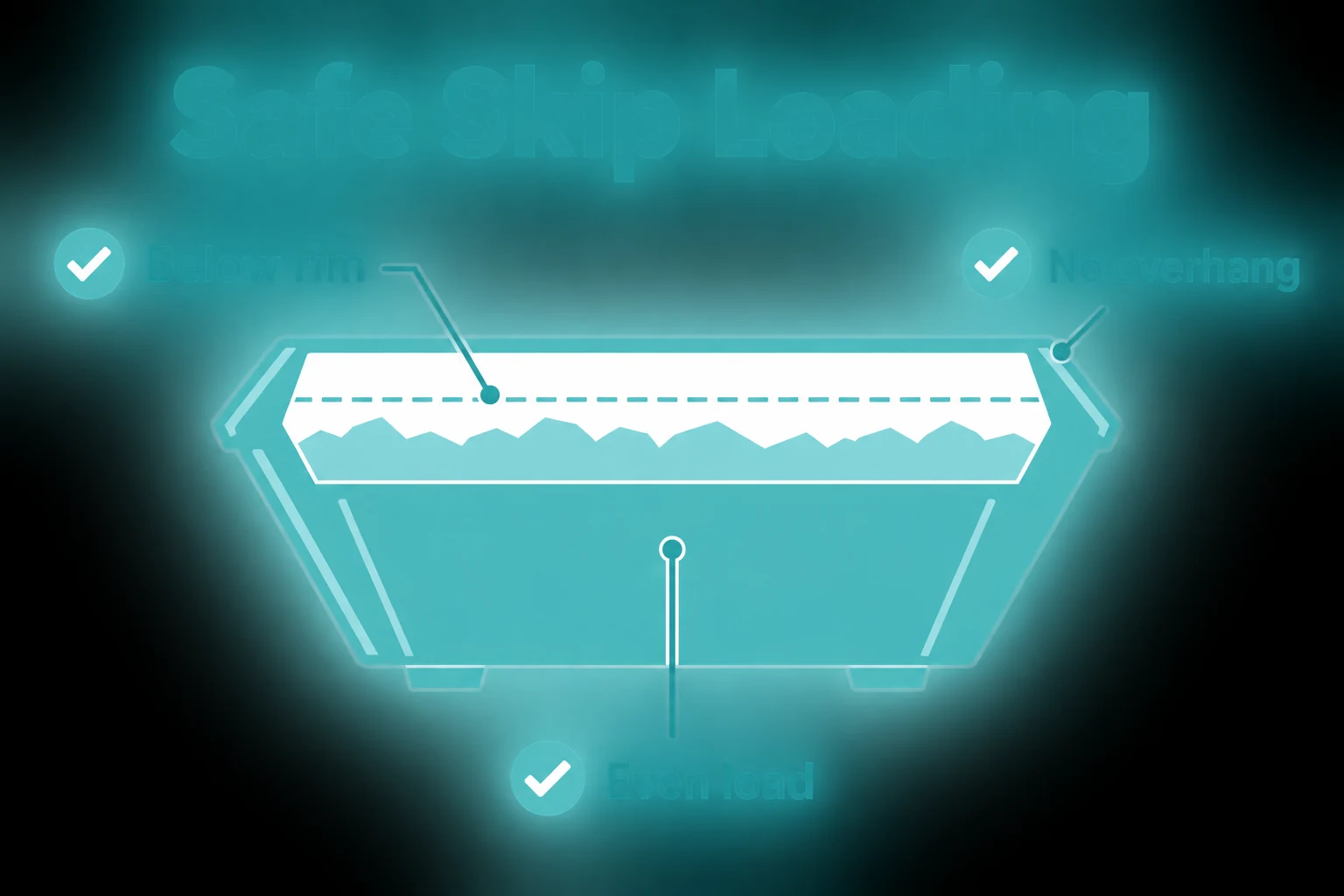
A skip that is level, stable and within its fill line is much easier to collect. The driver needs to know that the load will stay secure when the skip is lifted onto the lorry. Waste stacked above the rim can move, fall or make the container unsafe to transport.
Heavy materials such as rubble, soil, tiles and hardcore should be spread evenly where possible. If all the weight sits at one end, the skip can become awkward to lift. For mixed renovation waste, place heavier material lower down and lighter items above it, without forcing anything above the sides.
Large flat items can also cause problems if they bridge across the top of the skip. Doors, boards and panels should sit within the container, not balanced across the rim. If you are still planning the job and are unsure how much space you need, guidance on estimating skip size for domestic projects can help you choose a container that is easier to fill properly.
Remove waste that should not be in the skip

Collection is simpler when the skip contains only suitable waste. Some items need separate handling because of safety, environmental or disposal rules. These can include electrical items, tyres, gas bottles, asbestos, chemicals, paint tins with wet paint, batteries and certain appliances.
If restricted items are found in a skip, the collection may need to be paused while the issue is sorted. That is inconvenient for everyone, especially when the skip is otherwise ready to go. Before collection, take a few minutes to look over the load and remove anything you know should not be there.
If you are unsure whether skip hire is the right option for the material you need to clear, Centrowaste can guide you. For a broader comparison, skip hire and waste collection services explains when each approach tends to make sense.
Make the approach predictable for the driver
A smooth collection depends on the driver being able to reach the skip without surprises. If the skip is on a driveway or private surface, keep the route open and avoid placing bins, garden furniture, loose materials or tools in the way. If the skip is near a boundary, make sure branches, temporary fencing or stored materials are not restricting access.
Visibility matters too. The driver should be able to see the skip clearly when arriving and judge the lift without needing to move extra items first. If access is shared, it is worth letting anyone else who uses the space know when collection is expected so the route stays available.
This is different from preparing for the original delivery. At collection stage, the focus is on whether the filled skip can be reached, lifted and removed safely. If you are still at the planning stage, the advice on preparing for skip delivery is useful before the skip arrives.
Think about timing, but focus on readiness
You do not need to do anything complicated before collection. The aim is simply to have the skip finished, accessible and safe to lift. Avoid adding more waste after you have requested collection unless you are sure it remains within the agreed limits and does not change the type of waste inside.
If you know you will finish sooner than expected, you may be able to arrange collection before the original hire period ends. That is useful when space is needed back quickly, or when a project finishes ahead of schedule. Centrowaste has more guidance on arranging an early skip collection.
Even when the collection date is already set, the final readiness checks are the same. Keep the route clear, keep the load level, remove restricted items and make sure the skip is not being used as a last minute dumping spot by others.
Do a final tidy check before collection
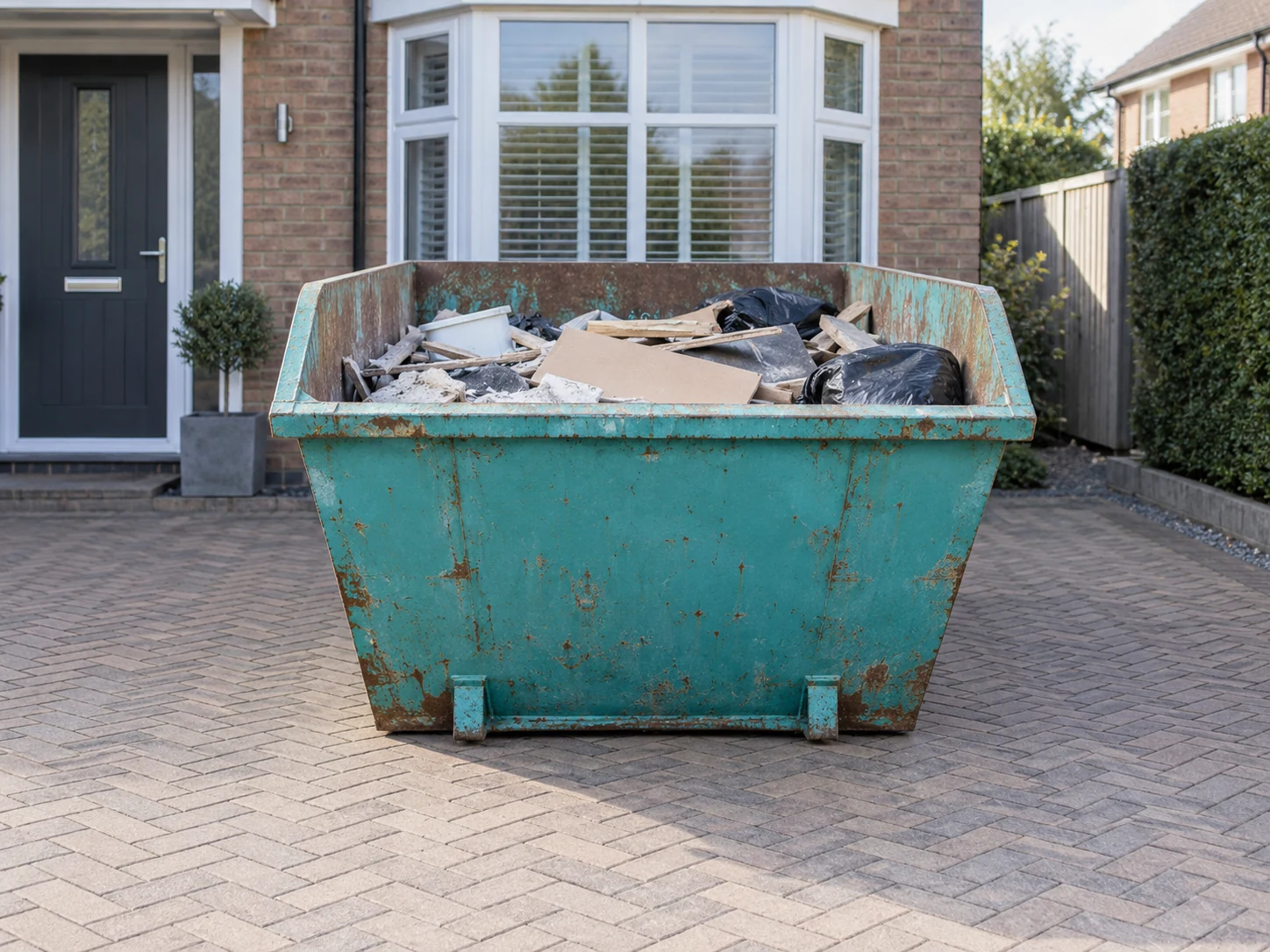
A final tidy check can make a real difference. Walk around the skip and look at it as the driver will see it. Is there space to approach it? Is anything leaning against it? Is the load below the rim? Are there loose items on the ground that might need to be moved?
If the skip is on a driveway, make sure any protective boards or agreed surface arrangements are still in place and not buried under waste. If surface protection is a concern for a future hire, the guide on placing a skip on a driveway may help you plan with more confidence.
Once the skip is collected, check the area for any small pieces of waste that may have been missed during loading. A tidy site is safer, easier to use again and gives you a clean finish to the job.
- Keep the space around the skip clear so the lorry can reach and lift it safely.
- Do not fill above the rim, and spread heavy waste as evenly as possible.
- Remove restricted items before collection to avoid delays.
- Keep driveways, gates and shared access points open on collection day.
- A quick final check can prevent simple issues from holding up collection.
Frequently asked questions
Can a skip be collected if it is slightly overfilled?
It depends on the load, but waste above the rim can make transport unsafe. The safest approach is to keep everything within the sides of the skip before collection.
Should I move loose bags next to the skip?
Loose bags should not be left beside the skip unless this has been agreed. They can block access and may not be part of the booked collection.
What happens if a car blocks the skip?
If the lorry cannot reach the skip safely, collection may not be possible at that time. Keeping access clear is one of the most important readiness checks.
Do I need to be present for collection?
Usually, the key point is that the skip is accessible and ready. If there are gates, access codes or special instructions, share them in advance.
Ready for a smooth collection?
If your skip is nearly full, Centrowaste can help you plan the next step and make collection straightforward.