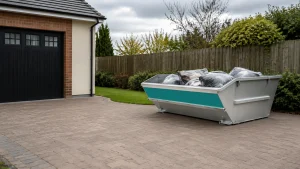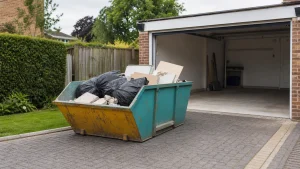

When people think about hiring a skip for a home renovation, it is usually framed as a practical necessity rather than something that adds value.
You knock walls down, rip units out, and the waste has to go somewhere. That tends to be the end of the conversation.
Yet, once a project actually gets going, it becomes clear that a skip can influence more than just where rubbish ends up.
There is also a tendency to underestimate how disruptive renovation work can feel on a day-to-day basis.
Dust, noise, clutter and constant decisions all stack up. In that context, a skip may offer benefits that are less obvious at the planning stage but become surprisingly important once work is underway.
Keeps the Project Moving Without Constant Interruptions
One of the quiet frustrations of renovation work is how often progress stops for waste runs. Filling the car, driving to the tip, queueing, unloading, then repeating the process can eat into whole afternoons.
Having a skip on site means waste can be dealt with as and when it appears, without breaking the rhythm of the job.
That steady pace can matter more than people expect. DIY projects in particular tend to stall when they feel fragmented.
A skip helps keep tasks flowing, which may make it more likely that jobs are finished properly rather than dragged out over weekends.
Improves Safety on Site
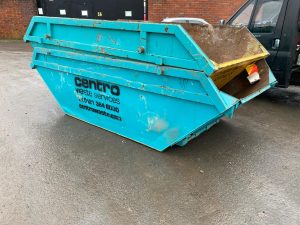
Renovation waste has a habit of spreading. Broken tiles, old timber and sharp fixings often end up piled in corners or left along walkways. Over time, that clutter increases the risk of trips, cuts, or damage to newly finished areas.
By giving waste a clear destination, a skip can help keep working areas more controlled.
It does not remove risk entirely, but it may reduce the number of hazards that build up during a busy project. This is particularly relevant in homes where people are still living on site.
Helps Control Dust, Mess, and General Chaos
Dust is one of the most persistent annoyances during renovation work. While a skip will not eliminate it, containing waste in one place can limit how much debris is dragged through the house.
Less loose material indoors often means less sweeping, vacuuming, and frustration.
There is also a psychological side to this. Seeing waste contained rather than scattered can make the space feel more manageable.
Even when the house is clearly undergoing mid-renovation, a sense of order can make the disruption easier to tolerate.
Can Actually Save Money in the Long Run
At first glance, skip hire can feel like an added cost on top of already rising renovation expenses. However, once fuel, tip fees, and lost time are factored in, the picture changes.
Multiple tip runs often add up more than expected.
There is also the value of time to consider. Whether you are paying tradespeople by the day or sacrificing your own weekends, delays caused by waste removal can quietly inflate the overall cost of a project.
In that sense, a skip may be less of an extra and more of a cost control tool.

Makes Sorting and Recycling Easier Than Expected
Many people intend to recycle renovation waste responsibly, but struggle to do so in practice. Without space to separate materials, everything tends to end up mixed.
A skip provides room to be more deliberate about what goes where.
With a bit of planning, timber, metal, and general waste can be organised more effectively.
This may lead to better recycling outcomes and fewer items unnecessarily heading to landfill, even if sustainability was not the original motivation.
Reduces Stress and Decision Fatigue
Renovations involve a constant stream of small decisions. What stays, what goes, where things should be stored, and when tasks need doing.
Adding waste disposal choices into that mix can feel surprisingly draining.
Having a skip removes one ongoing question. You know where waste goes, and you do not need to rethink it every day.
That small reduction in mental load can make the overall process feel more manageable, especially on longer projects.
A Better Experience for Neighbours
Renovation work does not just affect the household doing it. Neighbours notice increased noise, parked cars, and mess around the property.
Repeated trips loading rubble into a car can draw attention and irritation.
Keeping waste contained in a skip can help reduce the visible impact of the project.
While it will not eliminate disruption, it may signal that the work is being handled in a more organised way, which neighbours often appreciate.

Conclusion
Hiring a skip is often treated as a simple logistical decision, but its influence can stretch further than expected.
From safety and project flow to stress levels and neighbour relations, the effects can be felt across the renovation experience.
Rather than being an afterthought, a skip may be worth considering as part of the initial setup.
It does not solve every problem that comes with home renovations, but it can quietly remove several small ones that add up over time.