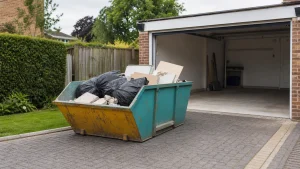
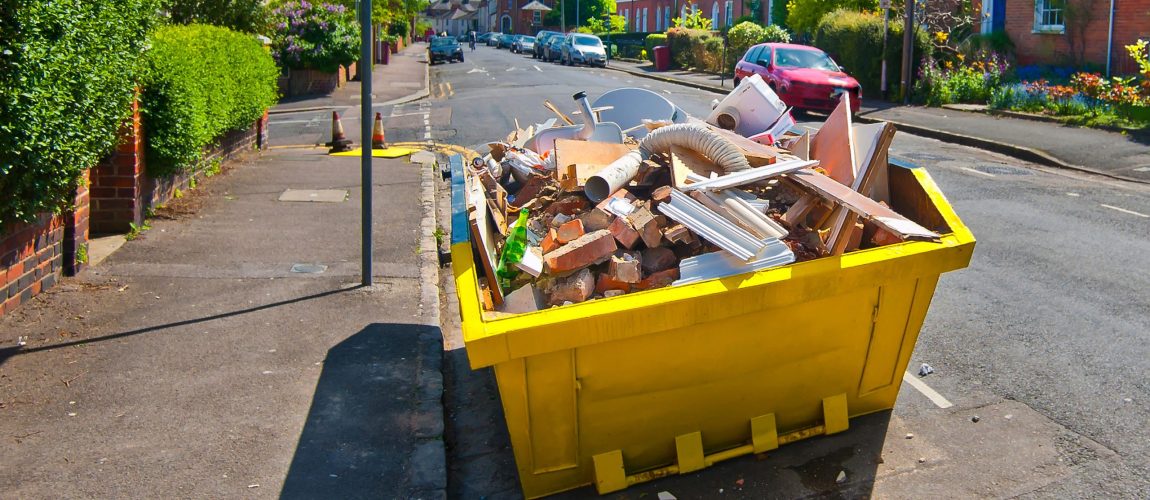
When it comes to clearing garden waste, hiring a skip can save a lot of time and effort.
Mini skips, in particular, have become a popular choice for homeowners tackling smaller jobs, from trimming hedges to tidying up flower beds.
They are convenient, relatively inexpensive, and usually fit neatly on a driveway or small patch of lawn, making them a handy solution for most minor garden clearances.
However, while mini skips are often seen as the default option, they might not always be the most practical choice.
Depending on the size of your garden project and the type of waste you are disposing of, a mini skip can quickly reach its limits.
It’s worth considering whether a larger skip, multiple mini skips, or even alternative disposal methods might better suit your needs before committing.
Understanding Mini Skips
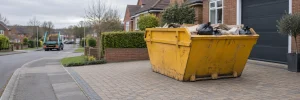
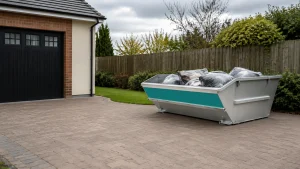
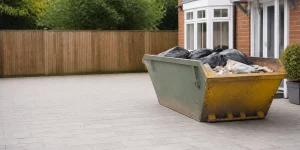
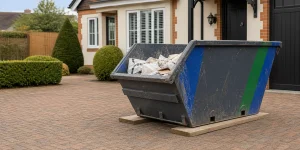
A mini skip is typically designed to hold between 2 and 4 cubic yards of waste, which is roughly the equivalent of 10 to 15 black bin bags. They are ideal for smaller household or garden projects where the volume of waste isn’t particularly large.
Common uses include pruning, hedge trimming, lawn mowing, or clearing out flowerbeds. Their compact size also makes them easy to place in tight spaces like driveways or narrow streets, which is often a concern in suburban areas.
Despite their convenience, mini skips come with certain limitations.
Their weight capacity is usually capped at around 2 tonnes, which can be quickly reached if you are disposing of heavy items such as soil, stones, or large branches.
Overfilling a mini skip can also lead to collection issues, fines, or additional costs, so understanding both volume and weight restrictions is essential before hiring one.
When a Mini Skip Makes Sense
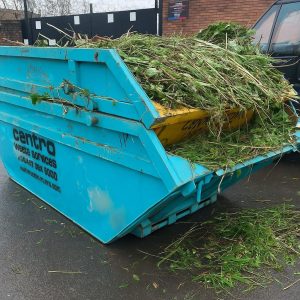
Mini skips are perfectly suited to small-scale garden tidy-ups. If you’re only dealing with hedge trimmings, lawn clippings, or a few garden trimmings after seasonal pruning, a mini skip provides just enough capacity without being excessive.
They are also ideal if you have limited space for placement, as their smaller footprint allows them to fit neatly on a driveway or compact garden area.
Another advantage is cost. Mini skips are usually cheaper to hire than larger skips, making them a sensible choice for short-term projects.
For a quick weekend clearance or a minor garden revamp, they are often all you need to get rid of your waste efficiently and responsibly, without worrying about unnecessary expense or space constraints.
Situations Where a Larger Skip May Be Better
Not all garden projects are suited to a mini skip. Major landscaping work, such as removing large shrubs, clearing soil, or reshaping a garden completely, often produces more waste than a mini skip can handle.
Attempting to cram too much into a small skip can result in overfilling, which may delay collection or even incur extra charges from the hire company.
Long-term or ongoing garden projects may also benefit from a medium or large skip.
If your renovation involves continuous disposal of heavy or bulky waste, it’s often more practical to hire a larger skip straight away rather than juggling multiple mini skips.
This approach can save time, reduce the risk of overloading, and ensure your project runs more smoothly overall.
Alternative Solutions
If a mini skip isn’t the right fit, there are alternative ways to manage garden waste. Many local councils offer garden waste collection services, which can be a convenient option for lighter, regular waste.
Separating green waste into compostable bags or taking it to a nearby recycling centre may also provide a simpler solution for smaller amounts of debris.
Another approach is to hire multiple mini skips instead of a single larger one. While this can work for staged projects, it may end up being more expensive and less efficient.
Speaking with your skip hire company about your specific project can help you weigh the pros and cons of different options, ensuring you choose the most effective and economical solution.
Practical Tips for Choosing the Right Skip
Before hiring any skip, it’s crucial to assess the type and amount of waste you’re dealing with. Take a walk around your garden and estimate the volume of branches, soil, or other debris you plan to dispose of.
This step helps prevent overloading and ensures you choose a skip that’s big enough to accommodate your project safely.
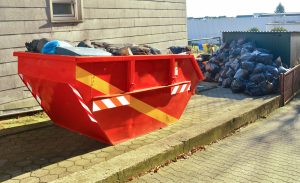
Access and placement are also important considerations. Mini skips are easier to manoeuvre into tight spaces, but even then, you need to ensure there’s a level surface and clear entry for the delivery lorry.
Checking local regulations for permits, weight limits, and placement rules will also save headaches. When in doubt, asking the hiring company for guidance is usually the safest bet.
Conclusion
Mini skips are undoubtedly convenient for many garden projects, particularly smaller tidy-ups or short-term jobs.
They offer a compact, cost-effective solution that fits neatly into limited spaces, making them a popular choice among homeowners in Birmingham and beyond.
That said, they are not always the best option, especially for large or heavy garden projects.
Taking the time to consider the size of your job, the type of waste, and space constraints will help you avoid unnecessary hassle or extra costs.
Choosing the right skip from the start ensures a smoother, more efficient garden clearance and keeps your project on track.