The Risks of Improper Disposal
Improper disposal of hazardous materials can have severe environmental and health impacts. Chemicals that are dumped down the drain or into landfills can contaminate water supplies, harm wildlife, and pollute the soil. Toxic substances may seep into the ground, affecting local ecosystems and even entering the food chain. In addition to environmental damage, improper disposal can lead to significant health risks such as poisoning, burns, and respiratory problems, especially when hazardous materials come into contact with the skin or are inhaled. Furthermore, there are legal consequences for improper disposal. Individuals and businesses can face hefty fines or penalties for failing to comply with disposal regulations, which is why it’s essential to know the correct procedures.
Understanding Hazardous Materials
Hazardous materials can be broadly classified into four categories: flammable, corrosive, toxic, and reactive. Flammable materials, such as oils, fuels, and some solvents, can easily catch fire and cause dangerous explosions. Corrosive substances, like bleach and certain cleaning agents, can damage skin, eyes, and even metal surfaces. Toxic materials, including pesticides and old batteries, can lead to poisoning or long-term health issues if not disposed of correctly. Reactive materials are those that can cause dangerous reactions when mixed with other substances, such as acids and certain industrial chemicals. Being able to identify hazardous materials is key to ensuring they are disposed of safely and responsibly. 
How to Identify Hazardous Materials
Identifying hazardous materials is easier than it seems, especially when you know what to look for. Many household products will have clear warning labels or symbols that indicate whether the contents are hazardous. Look for words such as “toxic”, “flammable”, “corrosive”, or “harmful” on packaging, as these can signal a hazardous substance. Additionally, many products, especially chemicals and cleaning agents, will have a safety data sheet (SDS) that outlines the risks and disposal instructions. It’s also important to pay attention to the symbols and hazard pictograms that appear on labels, such as the flame symbol for flammables or the skull and crossbones symbol for toxic substances. By familiarising yourself with these indicators, you can more easily identify hazardous materials and handle them safely.
Safe Disposal Methods
When it comes to disposing of hazardous materials, it’s important to follow the right procedures to avoid any potential harm. For residential disposal, many local authorities provide designated recycling centres or drop-off points where household hazardous waste, such as paint, batteries, and electronics, can be safely disposed of. Additionally, professional waste disposal services can handle larger quantities or more dangerous materials. For businesses and construction sites, it’s essential to engage with certified waste management companies that specialise in handling hazardous waste. These companies ensure compliance with regulations and offer safe disposal options. Certain materials, such as asbestos, require special treatment and should never be disposed of with regular waste. Always check with local authorities or waste management services for specific guidelines on disposing of these substances safely. 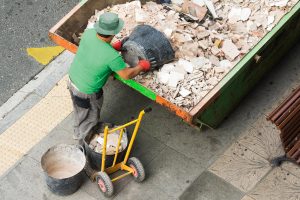
The Role of Recycling in Hazardous Waste Disposal
Recycling is a key part of managing hazardous waste. Many hazardous materials, such as batteries, fluorescent bulbs, and electronic waste, contain valuable resources that can be recovered and reused, reducing the need for raw materials and decreasing environmental impact. Proper recycling ensures these materials are safely processed, preventing harmful substances from entering the environment. It’s important to check local recycling programmes for specific instructions on how to recycle hazardous materials. For example, many supermarkets and hardware stores have designated collection points for used batteries or light bulbs. Recycling hazardous materials not only helps conserve resources but also protects the environment and public health by ensuring these substances are treated in a controlled and safe manner.
Best Practices for Safe Storage Before Disposal
Proper storage of hazardous materials before disposal is just as important as disposing of them correctly. At home or at work, always store hazardous substances in their original containers, which should be clearly labelled with any necessary warnings. Make sure the containers are securely closed and stored in a cool, dry place, away from direct sunlight and heat sources. Some materials, such as paint or cleaning agents, should be kept in well-ventilated areas, while others, like pesticides or batteries, may require specialised containers to prevent leaks or spills. It’s also important to never mix hazardous materials, as certain combinations can lead to dangerous reactions. By taking care of storage, you can minimise the risks associated with hazardous materials while ensuring they remain safe until they can be disposed of properly. 
Legal Requirements and Regulations
The disposal of hazardous materials in the UK is strictly regulated to protect both the environment and public health. Under the Environmental Protection Act 1990 and the Hazardous Waste Regulations 2005, individuals and businesses are required to dispose of hazardous waste in an approved manner. This includes using registered waste carriers and ensuring the waste is taken to licensed disposal sites. Businesses generating hazardous waste must keep detailed records of their disposal, and failure to comply with these regulations can result in fines or criminal prosecution. It’s essential to stay informed about local and national regulations and always ensure that any hazardous waste is handled by professionals who are licensed to deal with it. Adhering to these rules helps to keep our environment safe and ensures that harmful materials are not mishandled or dumped illegally.
Conclusion
In conclusion, the safe disposal of hazardous materials is essential for protecting the environment, human health, and the community. By understanding the different types of hazardous materials, recognising them in everyday products, and following safe disposal practices, we can all play a role in reducing the negative impact these substances have on our surroundings. Whether you’re disposing of household items, construction waste, or business materials, always prioritise safety and compliance with the law. If in doubt, seek professional skip hire services to ensure that hazardous waste is handled correctly. By taking these steps, we can contribute to a cleaner, safer environment for all.