
Home renovations can be an exciting yet challenging endeavour, often involving significant structural changes, repairs, and upgrades. Whether you’re updating a single room or undertaking a full-scale property transformation, one aspect that is often overlooked is waste disposal.
From old fixtures and fittings to broken tiles and plasterboards, renovation projects generate a substantial amount of debris that needs to be managed effectively.
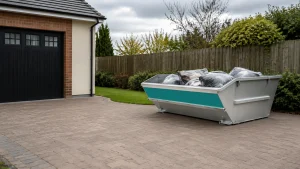
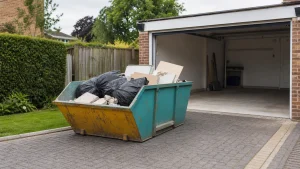
Skip hire is one of the most efficient ways to handle renovation waste, ensuring a clean and organised workspace. Instead of making multiple trips to the local tip, a skip allows for convenient, hassle-free disposal right from your property.
Not only does this save time and effort, but it also helps to maintain a safe environment by keeping the site free from clutter and potential hazards.
Why Waste Management Is Crucial in Home Renovations
When undertaking home renovations, managing waste effectively is essential to keeping the project on track and maintaining a safe working environment.
Building materials such as bricks, plaster, and wood can quickly accumulate, creating obstructions and increasing the risk of accidents. Without proper waste disposal, renovation sites can become hazardous, leading to potential injuries for workers or household members.
In addition to safety concerns, improper waste disposal can result in legal and environmental issues. Dumping construction waste in unauthorised locations or failing to follow local regulations can lead to hefty fines.
By hiring a skip from a reputable provider, you can ensure that waste is handled responsibly and in compliance with environmental standards, preventing unnecessary harm to the surroundings.

How Skip Hire Supports Home Renovation Projects
Skip hire plays a vital role in home renovations by offering a convenient and efficient solution for managing large amounts of waste. With a skip on-site, waste can be disposed of immediately, preventing the build-up of debris and ensuring a cleaner workspace.
This is particularly beneficial for larger renovation projects where continuous waste removal is required to maintain workflow and efficiency.
Moreover, hiring a skip eliminates the need for multiple trips to the local recycling centre, saving both time and fuel costs. Instead of loading up a car or van and queuing at the tip, homeowners and contractors can simply dispose of waste in one place.
This not only improves project efficiency but also minimises disruption to daily routines, allowing renovators to focus on the work at hand.
Choosing the Right Skip for Your Renovation
Selecting the right skip size is essential to ensure you have sufficient space for your waste while avoiding unnecessary costs. Smaller skips, such as 4-yard options, are ideal for minor refurbishments, while larger skips, such as 8-yard, are better suited for kitchen renovations or loft conversions.
For full house renovations or extensive building work, roll-on roll-off skips may be required to accommodate bulkier waste.
Before hiring a skip, it’s important to consider factors such as the volume of waste, the available space on your property, and whether a permit is needed if the skip will be placed on a public road.
Consulting a skip hire provider can help you determine the most suitable option, ensuring you get the best value while adhering to local regulations.

What Can and Can Not Be Disposed of in a Skip?
While skips are an excellent solution for disposing of most renovation waste, there are restrictions on certain materials. Items such as bricks, tiles, wood, and plasterboard can typically be placed in a skip, making it easy to dispose of demolition and construction debris.
Garden waste, including soil and branches, can also be accommodated, allowing for a comprehensive clean-up after landscaping projects.
However, hazardous materials such as asbestos, paint, electrical items, and batteries are not permitted in general waste skips due to environmental and safety concerns. These items require specialised disposal methods, which may involve contacting local authorities or dedicated waste management companies.
Being aware of what can and cannot go into a skip ensures compliance with waste regulations and avoids additional charges.
Cost Considerations and Budgeting for Skip Hire
The cost of skip hire varies depending on several factors, including the size of the skip, the duration of hire, and the location. Larger skips tend to cost more, but they can be more economical in the long run if you have a substantial amount of waste to dispose of.
Additionally, placing a skip on a public road may require a permit from the local council, which can add to the overall expense.
To keep costs manageable, homeowners should plan their waste disposal carefully. Sharing a skip with a neighbour who is also renovating can be a great way to split costs while reducing overall waste.
Furthermore, ensuring that the skip is loaded efficiently—by breaking down materials and maximising space—can help to avoid the need for a second skip hire, keeping expenses in check.

Skip Hire Do’s and Don’ts for Homeowners
To make the most of your skip-hire experience, it’s important to follow some best practices. Always ensure that the skip is placed in a suitable location, allowing for easy access while complying with local regulations.
When loading waste, distribute it evenly to prevent overfilling, as exceeding the fill line can result in additional charges or the refusal of collection.
Avoid placing prohibited items in the skip, as this can lead to fines or require costly specialised removal. Additionally, ensure that the skip is covered or secured when not in use to prevent unauthorised waste disposal by others.
By following these simple guidelines, you can ensure a smooth and efficient waste management process during your renovation.
Conclusion
Managing waste effectively is a crucial aspect of any home renovation project, and skip hire offers a practical, cost-effective solution.
By choosing the right skip size, following disposal guidelines, and working with a reputable provider, homeowners can keep their worksite clean and safe while ensuring compliance with local regulations.
This not only makes the renovation process more efficient but also contributes to environmental sustainability through responsible waste disposal.
Whether you’re undertaking a small-scale refurbishment or a large renovation, planning for waste management will save you time, effort, and potential legal complications.
Hiring a skip simplifies the process, allowing you to focus on transforming your home with minimal disruption.
For a hassle-free renovation experience, consider skip hire as an essential part of your project planning.