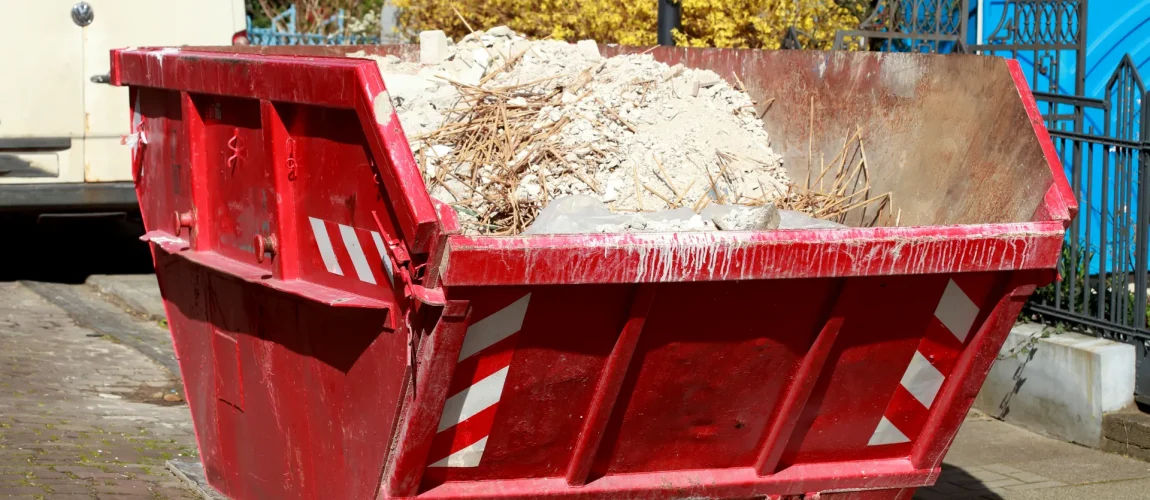
Skip hire often feels like the final step in a clear out. You fill it up, it gets collected, and that is usually where the thought process ends.
What tends to get missed is that the way waste is placed into a skip has a knock on effect long after it leaves your driveway or site. Sorting may sound like a small detail, but it quietly shapes where that waste ends up.
When materials are mixed without much thought, they become harder to deal with responsibly. On the other hand, a skip that has been loaded with some care is far more likely to support recycling and reuse.
It is not about perfection, but a bit of awareness at this stage can make a real difference further down the line.
How Proper Skip Sorting Reduces Landfill Waste
One of the clearest benefits of responsible skip sorting is the reduction in landfill use. When materials like wood, metal, soil, and rubble are kept separate, they are far easier to divert into recycling streams.
Mixed waste, even if it contains recyclable items, is more likely to be classed as general waste and sent straight to landfill.
Contamination is often the problem. A pile of clean rubble has value, but once it is mixed with food waste, plastics, or hazardous materials, it may no longer be usable.
By being a bit more selective about what goes where, you increase the chances that less waste ends up buried and forgotten.
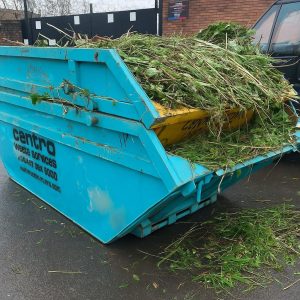
Improving Recycling Efficiency at Waste Transfer Centres
Waste transfer centres rely heavily on the quality of material they receive. Well sorted skips allow these facilities to process waste more quickly and with less intervention.
This appears to reduce the need for additional sorting machinery and manual handling, which can be energy intensive.
Cleaner waste streams also tend to be more reliable. Recycling facilities are more likely to accept materials that meet their standards, rather than rejecting loads that are too mixed or contaminated.
Over time, this improves overall recycling rates without needing major changes to infrastructure.
Supporting the Reuse of Materials
Not all waste is truly waste. When materials are kept separate, opportunities for reuse become far more realistic.
Timber, for example, can often be chipped or reprocessed, while clean aggregates can be reused in construction rather than quarried again.
Metals are another good example. When they are not mixed with unsuitable materials, they can be easily recovered and melted down for new uses.
This reuse cycle reduces the demand for raw materials, which in turn helps limit environmental damage linked to extraction and manufacturing.
Lowering Carbon Emissions Through Better Waste Handling
Every extra stage of waste handling adds to its carbon footprint. Poorly sorted skips may need to be transported to multiple facilities or processed several times before disposal is decided.
This additional movement and processing uses fuel and energy that could otherwise be avoided.
Better sorting at the source often means waste can go directly to the most suitable facility. Fewer journeys and less processing suggest lower emissions overall.
It is an indirect benefit, but one that becomes more significant when repeated across hundreds or thousands of skips.
Encouraging More Sustainable Building and Renovation Practices
Home improvements and building projects generate a lot of waste, and it is easy to see it as an unavoidable side effect.
However, simple sorting during a renovation can quietly improve its environmental impact. Separating materials as you go is often easier than trying to deal with them all at the end.
For tradespeople, this approach can become part of everyday working habits. Once sorting becomes routine, it rarely adds much time or effort.
Over time, these small changes may suggest a more responsible approach to construction and refurbishment as a whole.
The Role of Skip Hire Companies in Promoting Responsible Sorting
Skip hire companies, like us at Centro Waste, play an important part in this process. Clear guidance on what can and cannot go into a skip helps customers make better decisions from the start.
When advice is practical and easy to understand, people are more likely to follow it.
There is also a shared responsibility here. Customers control what goes into the skip, but providers can influence behaviour through good communication and sensible policies.
When both sides play their part, the quality of waste improves across the board.
Conclusion
Responsible skip sorting does not require specialist knowledge or major lifestyle changes. It simply asks for a bit more thought when disposing of waste.
While each action may feel minor, the combined effect can be surprisingly meaningful.
By reducing landfill use, improving recycling efficiency, and supporting reuse, skip sorting helps push waste management in a more sustainable direction.
It is a quiet contribution, but one that shows how everyday choices can shape wider environmental outcomes.