Skip hire has become a familiar solution for managing waste during home renovations, garden projects, and construction work.
Instead of making repeated trips to the local tip, a skip allows you to dispose of large amounts of waste in one place while keeping the area relatively organised.
It’s a practical option that often saves time, especially when dealing with bulky materials such as rubble, timber, or old furniture.
That said, skips are designed to be used in a particular way. One issue that appears fairly often is overfilling.
When people are nearing the end of a project, it can be tempting to squeeze in the last few items rather than arrange another collection.
It might seem harmless at the time, yet overfilling a skip can create a range of problems that many people only discover when the collection vehicle arrives.
What Counts as Overfilling a Skip
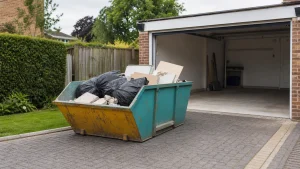
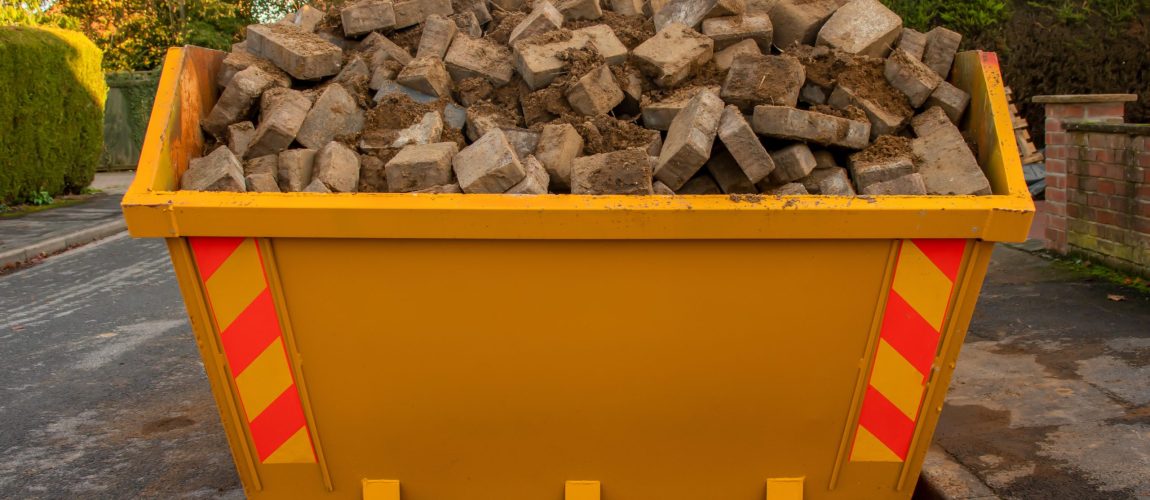
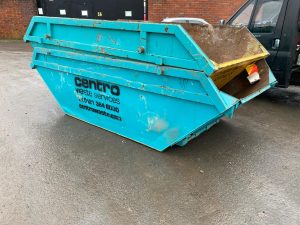
Overfilling a skip usually means that the waste rises above the sides of the container or beyond the clearly marked fill line. Most skips have a level that indicates the maximum height the waste should reach.
When the materials sit neatly within that boundary, the skip can be lifted and transported safely without anything shifting or spilling.
Once waste begins to stack higher than the top edge, things become less predictable. Loose materials may shift as the skip is lifted onto the lorry, and items placed on top can slide off more easily.
Even if the load looks stable while the skip is sitting on your driveway, movement during transport can quickly change that.
Safety Risks During Transport
Transporting an overloaded skip presents genuine safety concerns. When waste protrudes above the container, it is more likely to move or fall while the vehicle is in motion.
Small pieces of debris, timber offcuts, or broken materials could potentially drop onto the road.
That situation creates hazards for other road users. A loose object falling from a skip could damage vehicles or force drivers to react suddenly.
Cyclists and pedestrians are also at risk if debris lands on the pavement or road. Because of this, skip hire companies are understandably cautious about collecting overloaded containers.

Legal and Regulatory Concerns
Skip hire operators must follow transport and safety regulations when moving waste. Vehicles carrying unsecured or unstable loads can be considered unsafe under road transport rules.
As a result, drivers are generally not allowed to transport a skip if the contents exceed the safe fill level.
In practice, this means a driver may refuse to remove the skip if it is overloaded. It is not usually a matter of inconvenience but rather legal responsibility.
Transporting an unsafe load could lead to penalties for the operator, so most companies follow strict guidelines about how skips must be filled.
Collection Delays and Additional Charges
Overfilling can also lead to delays that many customers do not expect. If a collection vehicle arrives and the skip cannot be moved safely, the driver may have to leave it in place until the excess waste has been removed.
That can interrupt project schedules, particularly if you were relying on the space being cleared.
In some cases, there may also be additional charges. A second collection visit or extended hire period may increase the overall cost.
What began as an attempt to fit in a few extra items may end up being more inconvenient and expensive than anticipated.
How to Avoid Overfilling a Skip
A little planning can go a long way in preventing the problem. One of the simplest steps is choosing the correct skip size for the amount of waste you expect to produce.
It is often better to select a slightly larger skip than to struggle with one that quickly reaches capacity.
Another useful approach is loading the skip carefully as you go. Breaking down bulky items, placing flat materials at the bottom, and spreading waste evenly can help maximise the available space.
If you suspect the skip might not be large enough, it may be worth speaking with the hire company early rather than waiting until it is already full.
Final Thoughts
Keeping waste within the skip’s fill line may seem like a small detail, but it makes a noticeable difference.
A properly loaded skip is safer to transport, easier for the collection team to handle, and far less likely to cause delays.
In the end, skip hire works best when the process is straightforward for everyone involved.
By avoiding overfilling and planning waste disposal carefully, you are more likely to keep your project running smoothly without unnecessary complications.