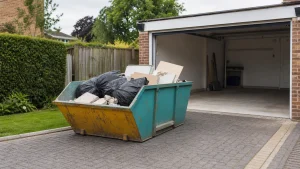
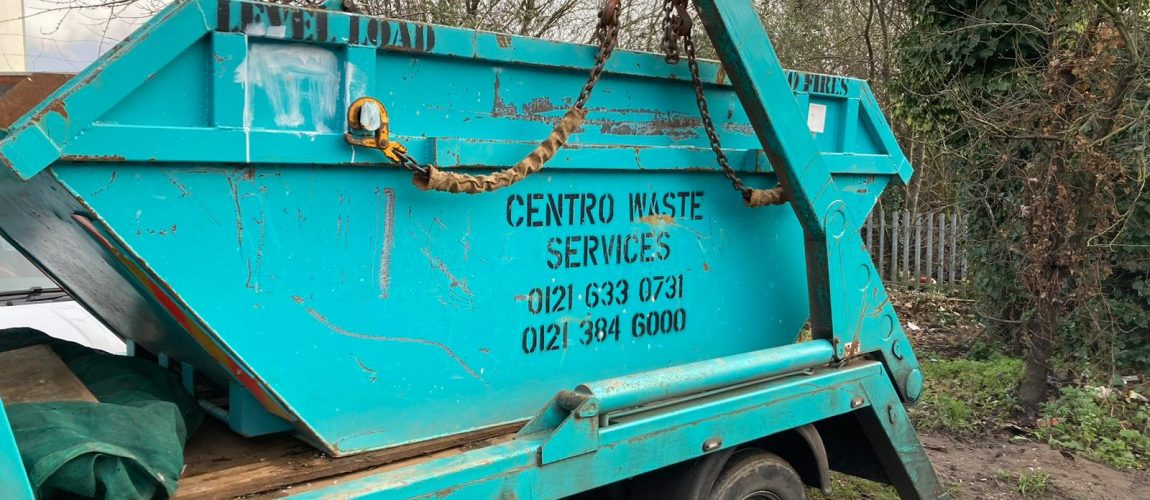
Small jobs and DIY projects often start off feeling manageable, but waste can build up quicker than expected. Whether it’s a garden tidy-up, a bathroom refresh, or clearing out a loft, dealing with rubbish tends to become part of the job rather than an afterthought.
This raises a fairly common question: is skip hire actually worthwhile for smaller projects, or does it make more sense to rely on trips to the tip? The answer often depends on how much waste you’re dealing with and how you plan to manage it.
What Counts as a Small Job or DIY Project?
Smaller projects usually involve limited areas of the home but can still generate a surprising amount of waste. This might include replacing kitchen units, ripping out old carpets, or clearing unwanted items from a garage or shed.
Even jobs that seem straightforward at first can lead to piles of mixed materials, from wood and plasterboard to general household rubbish. It doesn’t always take a large renovation for waste to become difficult to manage.
Why Waste Builds Up Faster Than Expected
One thing many people underestimate is just how quickly waste accumulates once work begins. A few broken tiles, old fittings, packaging, and general debris can soon take over the space.
Before long, what started as a small project can leave you with limited room to work and no clear plan for disposal. That’s often when waste removal becomes a more pressing concern than expected.
The Role of 2 and 3 Yard Skips
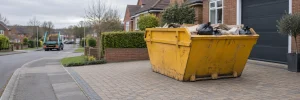
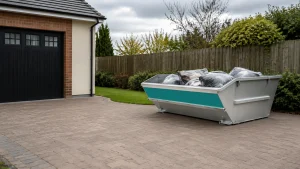
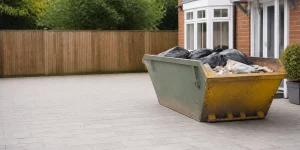
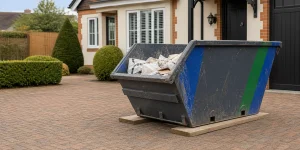
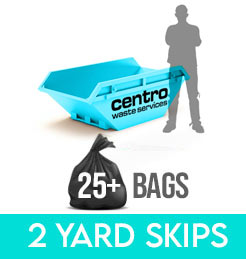
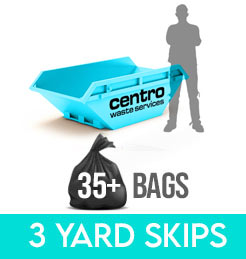
For smaller jobs, 2 yard and 3 yard skips are often considered practical options.
They provide enough capacity for typical DIY waste without taking up excessive space on a driveway or roadside.
In simple terms, these smaller skips can hold the equivalent of several bin bags along with bulkier items, making them suitable for jobs that fall somewhere between a quick clear-out and a full renovation.
Avoiding Repeated Trips to the Tip
Using a car or van to dispose of waste can seem like the obvious approach at first. However, this often involves multiple trips, especially if the waste includes heavier or awkward materials.
Each journey takes time, requires fuel, and can become inconvenient if local recycling centres have restrictions or queues.
Having a skip on-site allows waste to be dealt with in one place as the project progresses.
Keeping Your Workspace Clear and Safe
As waste builds up, it can quickly get in the way of the work itself. Piles of debris can make it harder to move around and increase the risk of trips or minor accidents.
A skip provides a designated place for everything, helping to keep the working area clearer and more organised.
This can make the overall project feel more manageable from start to finish.
Considering the Cost Against Time and Effort
Cost is usually one of the main factors people think about when deciding whether to hire a skip. On the surface, it may seem easier to avoid the upfront expense.
That said, when you factor in fuel costs, time spent travelling, and general inconvenience, the overall difference may not be as significant as it first appears.
Choosing a smaller skip size, such as a 2 or 3 yard option, can help keep things proportionate to the scale of the job.
Flexibility Throughout the Project
One of the practical advantages of having a skip is the flexibility it offers. Waste can be added gradually as work progresses, rather than needing to be stored and removed all at once.
This can be particularly useful for projects that take place over several days, where rubbish would otherwise need to be moved or managed in stages.
Environmental Considerations
Waste disposal isn’t just about convenience. There’s also the question of how materials are handled once they leave your property.
Skip hire services typically sort and process waste at licensed facilities, which can help ensure that recyclable materials are separated and handled appropriately. For many, this adds a level of reassurance during a project.
When a Small Skip Might Make Sense
There are certain situations where a 2 or 3 yard skip may be a suitable option.
These include small renovation jobs, garden clearances, and general decluttering projects where waste is too much for standard bins but not enough for a large skip.
Matching the skip size to the job can help avoid overpaying for unused space while still providing enough capacity to complete the project comfortably.
Conclusion
Small DIY projects can often create more waste than expected, and managing that waste efficiently becomes part of the overall task.
While there are different ways to approach disposal, having a clear plan in place can make the process smoother.
In many cases, smaller skips offer a practical middle ground, providing enough space for typical DIY waste without the need for repeated trips or ongoing disruption.