When people book skip hire, the first things they usually think about are the skip size, the price and how quickly it can be delivered. That makes sense.
You want the right skip at the right time, without making the job more expensive than it needs to be.
Access, though, is one of those details that can easily be missed. It may not seem like a big issue until the lorry arrives and there is not enough room to deliver the skip safely.
A little bit of planning before delivery can save delays, hassle and awkward last-minute changes.
What Does Skip Access Actually Mean?
Skip access simply means how easily the delivery vehicle can reach the place where the skip needs to be dropped off.
This might be a driveway, a private parking space, a yard, a building site, or a section of road outside the property.
It is not just about whether the skip itself will fit. Narrow roads, parked cars, low branches, tight gates, sharp corners, uneven ground and restricted entrances can all make access more difficult.
In some cases, these small details may affect whether the skip can be placed exactly where you want it.

Why Poor Access Can Delay Your Skip Delivery
If the driver cannot safely get the lorry close enough to the drop-off point, the skip may not be delivered as planned.
That can be frustrating, especially if you have tradespeople on site, waste ready to clear, or a renovation project already underway.
Poor access can sometimes mean rearranging the delivery, moving the skip to a less convenient position, or waiting until parked vehicles are moved.
Even a short delay can throw off the rest of the day, particularly on busy residential streets where space is already limited.
The Space Needed for Safe Skip Delivery
A skip lorry needs more space than many people expect. The vehicle has to approach the property, line up safely, lower the skip into position and then leave without damaging anything nearby.
This means the area needs to be clear enough for both the lorry and the lifting equipment.
It is easy to focus only on the footprint of the skip, but the delivery process needs extra working room.
Walls, fences, parked cars, overhanging branches and tight bends can all get in the way. If the space looks tight to you, it is probably worth mentioning it before the skip is booked.
Driveways, Roads and Private Land
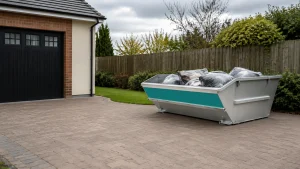
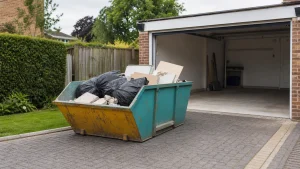
Putting a skip on private land is usually the simplest option, provided there is enough space and the ground is suitable.
A driveway, private yard or off-road area can make delivery easier because the skip is not sitting on the public highway.
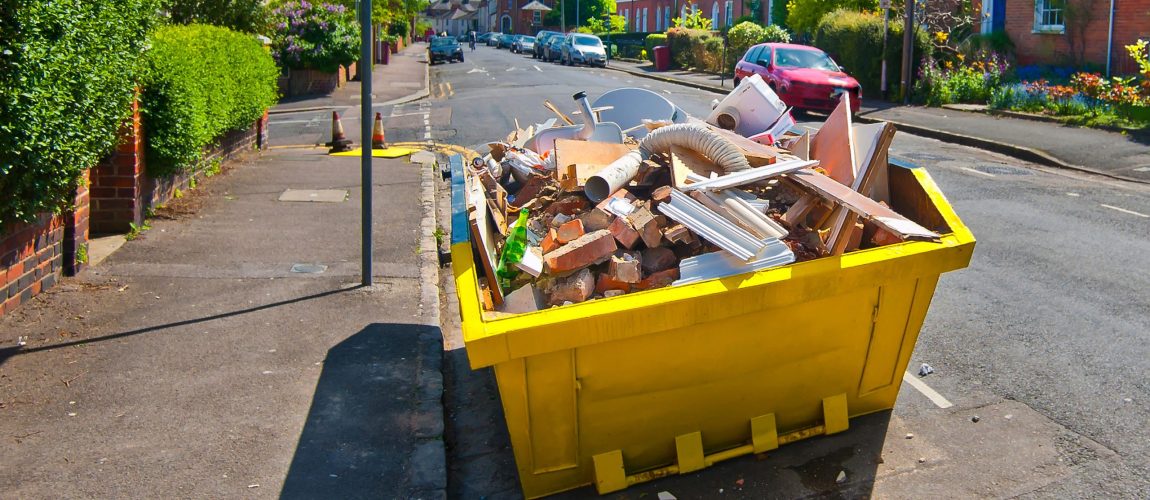
If the skip needs to go on a public road, things can be a little different. A permit may be required from the local council, and there may be rules around lighting, cones, placement and how long the skip can stay there.
It is always better to check this early rather than finding out on delivery day.

Common Access Problems Homeowners Overlook
Some access issues are obvious, but others are easy to miss.
Cars parked outside the property, narrow cul-de-sacs, low walls, tight bends, trees, gates and heavy traffic can all make skip delivery more awkward than expected.
Even small details can matter. A driveway entrance might look wide enough for everyday parking, but a skip lorry may need more room to swing in and line up properly.
The same applies to streets where cars park on both sides, as the available space can quickly become too narrow.
How Good Access Protects Your Property
Good access helps reduce the risk of damage during delivery and collection.
When the lorry has enough room to work safely, there is less chance of knocks to walls, fences, gates, parked cars or neighbouring property.
It can also help protect your driveway or garden area. Choosing a sensible placement point means the skip can be loaded more easily, without people dragging heavy waste across awkward spaces.
In many cases, the best position is not just where the skip fits, but where it makes the whole job easier.
Why Access Matters When the Skip Is Collected
Access is not only important when the skip is delivered. The lorry also needs to return and collect it, often when it is full and much heavier than when it arrived.
That means the area around the skip still needs to be clear.
It is worth making sure cars, tools, materials, and other equipment are not blocking the skip on collection day.
If the driver cannot reach it safely, the collection may need to be rearranged. That can leave the skip sitting on site for longer than planned.

How to Prepare Before Your Skip Arrives
Before your skip is due to arrive, take a few minutes to check the route to the drop-off point.
Move vehicles if needed, clear the area where the skip will sit and make sure there are no obvious obstacles in the way.
If the skip is being placed near a shared entrance, narrow street or neighbour’s property, it may be worth giving people a quick heads-up.
This can help avoid cars being parked in the wrong place just as the delivery lorry arrives.
When to Speak to the Skip Hire Company First
If you already know access could be awkward, it is best to mention it when booking.
Narrow roads, small driveways, restricted entrances, low trees and tight turning spaces are all worth flagging early.
An experienced skip hire company can usually talk through the options and suggest the most practical place for the skip.
In some cases, a different skip size, delivery approach or placement area may make the job much easier.
Conclusion
Skipping access might not be the first thing you think about, but it can have a significant impact on how smoothly everything goes.
Good access helps with delivery, safety, loading, collection and protecting the area around your property.
Before booking skip hire, it is worth taking a proper look at where the skip will be placed and how the lorry will access it.
A few simple checks at the start can help avoid delays and make the whole process far more straightforward.