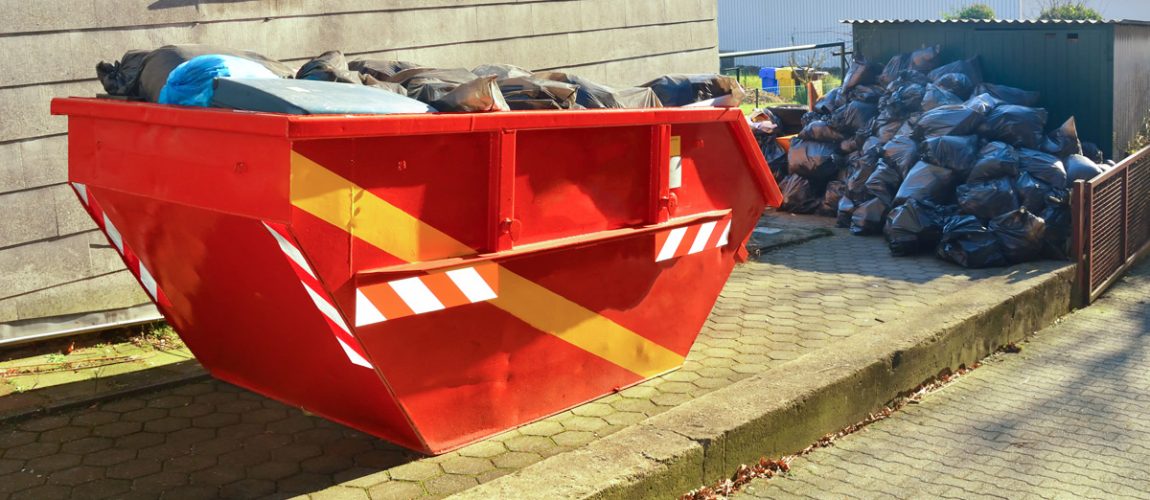
Choosing the right skip size for your home project isn’t always straightforward. Pick a skip that’s too small and you may find yourself needing to order another one, which adds unnecessary cost and hassle.
On the other hand, choosing a skip that’s too large means you’ll pay for space you won’t use. This guide will help you estimate the right skip size for a variety of typical domestic projects.
From garden clear-outs to kitchen renovations, every job comes with different types and volumes of waste. Understanding how skip sizes relate to your needs can save you both time and money.
In this post, we’ll explain the most common skip sizes, recommend options for typical projects, and share a few expert tips to help you make the right choice.
Why Skip Size Matters
Getting the skip size wrong can lead to extra charges, multiple collections, and project delays. Most skip hire companies charge for collections per skip, so having to hire a second one because the first was too small can quickly eat into your budget.
Additionally, overfilling your skip may result in refusal of collection, fines, or the need to offload excess waste yourself.
Space is also an important consideration, especially if your property has limited driveway space or requires the skip to be placed on a public road.
Councils often have regulations around skip placement, and a larger skip might need additional permits or obstruct access. Choosing the right size from the start ensures everything runs smoothly and legally.
Common Skip Sizes Explained
Mini skips typically range from 2 to 3 cubic yards and are best suited for very small projects, such as garden tidy-ups or minor DIY jobs.
These skips can hold around 20–30 bin bags and are compact enough to fit in most driveways with ease.
Midi skips are usually 4 to 5 cubic yards and are ideal for slightly larger clear-outs, such as bathroom refits or small room renovations.
A 4-yard skip will hold approximately 40–45 bin bags of waste, while a 5-yard can manage a bit more, offering a good balance between size and cost for moderate domestic jobs.
Builder’s skips are 6 to 8 cubic yards and are among the most popular choices for household renovations and larger clearances.
A 6-yard skip can hold about 55–60 bin bags, while an 8-yard can handle closer to 80. These are ideal for projects like kitchen rip-outs or full garage clear-outs.
Larger skips, from 10 to 16 cubic yards, are typically used for commercial or major domestic projects. These aren’t usually suited for heavy waste like soil or hardcore, as weight limits apply.
However, they’re perfect for bulky but lightweight waste such as furniture or packaging during major house moves or refurbishments.
Matching Skip Sizes to Domestic Projects
Garden Clear-outs
If you’re tackling a garden clear-out, you’ll often be dealing with green waste like hedge trimmings, branches, soil, and grass clippings.
For small to medium-sized gardens, a 3 or 4-yard skip is usually sufficient. These are easy to load, cost-effective, and perfect for most outdoor tidy-up jobs.
For larger landscaping efforts, or if you’re digging out flower beds and disposing of soil or rubble, you may want to consider a 6-yard skip. Just be mindful of weight limits when disposing of heavy waste—your skip company can advise if a skip is nearing capacity in terms of load.

Kitchen or Bathroom Renovations
Renovating a kitchen or bathroom generates a surprising amount of waste—think broken tiles, old units, worktops, and possibly white goods.
A 6-yard builder’s skip is typically ideal for this kind of work, providing ample space without being too large to manage.
If your renovation is more extensive, such as removing flooring or knocking down internal walls, an 8-yard skip may be more suitable.
This gives you the extra capacity for bulky materials and ensures you won’t need to order a second skip halfway through the project.
Loft, Garage or Full House Clearances
Loft, garage, and full house clearances can produce a real mix of waste, from furniture and cardboard to miscellaneous clutter and old textiles.
A builder’s skip (6 or 8-yard) is usually a solid choice here, providing the room needed to handle a wide range of items.
For very large clear-outs, particularly if you’re clearing a property in preparation for sale or renovation, consider combining a larger skip with charity shop drop-offs and recycling to avoid overfilling. Sorting beforehand can reduce the size you need.
Small DIY Projects or Weekend Jobs
DIY projects like fitting shelves, repainting rooms, or putting up stud walls might not seem like much, but the waste can add up quickly.
For these lighter tasks, a 2-yard mini skip will likely do the job and save you from multiple trips to the tip.
If your weekend job involves clearing out a shed or disposing of a few bits of old furniture or wood, a 3-yard skip offers just enough space to get it done with minimal fuss. It’s a great size for typical one-off domestic jobs.
Top Tips for Choosing the Right Size
When in doubt, it’s often better to go one size up than to risk underestimating. The cost difference between the two sizes is generally less than the price of hiring a second skip.
Overfilling a skip is not permitted, and excess waste left beside it may not be collected.
You can estimate your skip needs by counting full bin bags, black sacks, or rubble sacks of waste. For example, if you expect to fill 40–50 bin bags, a 6-yard skip should suffice.
Always check the skip provider’s guidance or use their online size calculators if available.
What Not to Do
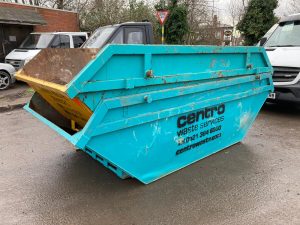
Don’t attempt to overfill your skip. Waste must remain within the top edge, or it won’t be collected.
Trying to “heap” materials or stack them above the level is both dangerous and against regulations. It may also lead to additional charges for the failed collection or reloading.
Be aware of restricted or prohibited items such as asbestos, tyres, fridges, electricals, and certain types of paint or chemicals.
These items need specialist disposal and shouldn’t go in general waste skips. Ask your skip provider for a list of what’s allowed before loading up.
When in Doubt – Ask the Experts
If you’re unsure which size to choose, don’t hesitate to contact your local skip hire provider.
They’ll have plenty of experience advising customers on what skip is best based on the type and volume of waste. It only takes a few minutes and can save you both money and hassle.
Most reputable companies are more than happy to help you make an informed decision.
Providing them with a rough idea of the project and expected waste types will allow them to recommend the most suitable option. Good advice is always worth asking for.
Conclusion
Choosing the correct skip size doesn’t need to be difficult, but it does take a bit of planning.
Estimating the volume of waste and matching it with the right skip can save you time, space, and unexpected costs during your project.
If you’re planning a domestic project in Birmingham and want help selecting the right skip, we’re here to assist.
Get in touch with our friendly team today for honest advice and affordable skip hire options tailored to your needs.