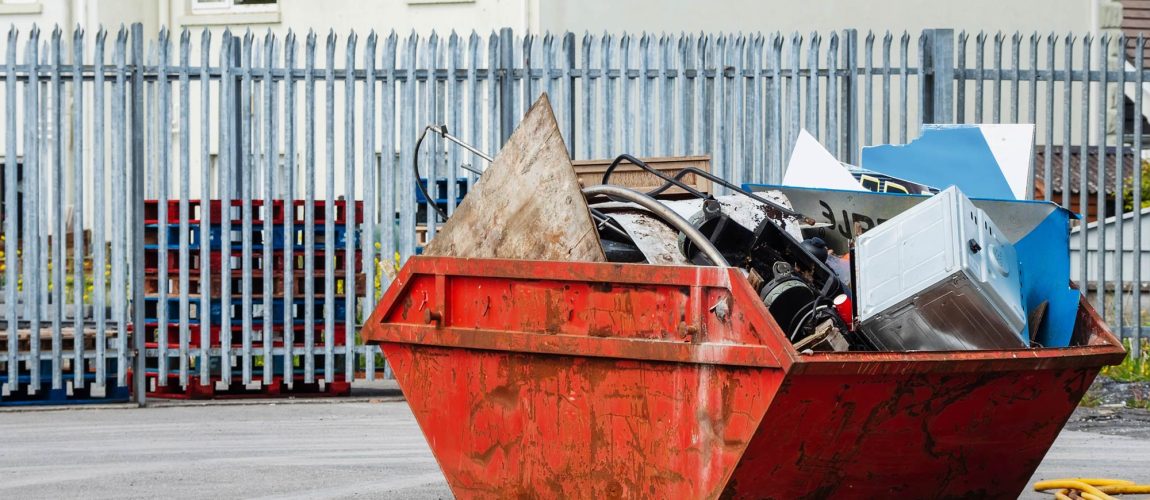
Waste management is key on construction sites where there’s a constant stream of waste. From bricks and rubble to metal and wood, construction produces all sorts of by-products that need to be disposed of properly to keep the site safe and tidy.
Unmanaged waste can be a health hazard, slow down productivity and even get you into trouble with the authorities so it’s essential to have a system in place on construction sites.
Skip hire is the answer to the waste problems on construction sites. By providing skips in various sizes to suit different project needs, skip hire companies help keep sites tidy, safe and sustainable.
By centralising waste collection and supporting recycling, skip hire plays a big part in meeting environmental regulations and responsible waste disposal.
Waste Management in Construction
Construction produces a lot of waste, from everyday materials like bricks and wood to hazardous substances. Managing this waste is a big job as it requires not only separating recyclable materials but also handling chemicals and asbestos safely.
Unmanaged waste can quickly build up on site and create a messy environment that affects productivity and safety.
Proper waste management on construction sites is key to complying with regulations and environmental standards. Regulations require construction companies to reduce waste sent to landfills by prioritising recycling and responsible disposal.
By doing so sites reduce their environmental impact and contribute to the industry’s move towards a greener future. That’s where skip hire comes in, a tailored solution to the waste problems of construction projects.

Benefits of Skips on Construction Sites
One of the biggest benefits of using skips on construction sites is the efficiency they bring to waste collection and removal. Skips are a central point where all waste can be deposited, so there’s no need for multiple piles of debris around the site.
This organisation makes the removal process faster and reduces downtime as construction workers don’t have to worry about taking waste offsite themselves.
Skip hire also saves construction sites money. Instead of allocating funds for multiple trips to the landfill or arranging separate waste removals, one hired skip can take a lot of waste, saving on transportation costs.
Plus many skip hire companies recycle a high percentage of the waste they collect so construction sites can reduce their landfill taxes and disposal fees, making it even more cost effective and supporting sustainability.
Environmental Benefits of Skip Hire
Skips are key to recycling and sustainable disposal on construction sites. Skip hire companies have sorting processes in place so materials like metal, wood and plastic can be separated and recycled properly.
By choosing skip hire construction sites get a greener waste management approach and reduce their environmental impact as less waste goes to landfill.
In addition to recycling skip hire reduces the amount of waste sent to landfills which is good for the environment. Landfills produce harmful greenhouse gases and avoiding excess landfill use is a priority for construction projects that want to be sustainable.
Compliance with environmental regulations is another benefit as skip hire companies know the waste management regulations and ensure construction sites are compliant with UK waste disposal laws.

Skips for Construction Waste
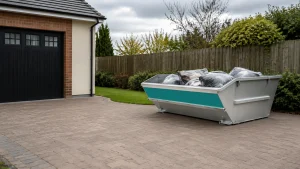
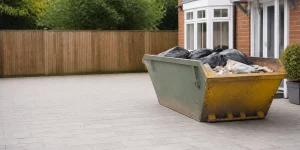
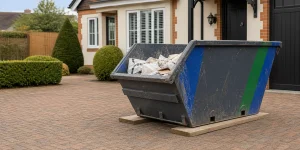
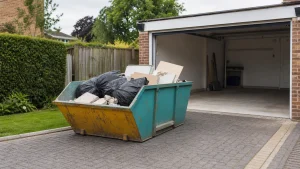
There’s a skip size to suit every construction project. Smaller skips like mini and midi skips are perfect for sites with limited space or low-volume waste.
These are ideal for small renovations or refurbishment work where there’s not a lot of waste but efficiency is still important.
For larger construction sites builders skips and Roll-on/Roll-off (RoRo) skips are more suitable as they can take more waste. RoRo skips are particularly good for big projects as they can take more material than standard skips.
For sites with hazardous waste specialist skips are also available so dangerous materials like asbestos can be handled safely, reducing the risk of environmental contamination and meeting health regulations.
How to Choose the Right Skip for Your Project
Choosing the right skip size is all about understanding the volume and type of waste that will be produced. Assessing the size of the project and estimating waste output allows for a more accurate choice so there’s enough capacity to take the waste without overloading.
If the waste output is hard to estimate, skip hire companies often guide you to help you choose the best option.
Other things to consider are space constraints and site layout as limited space may not allow for larger skips. Making sure the skip is accessible but not in the way of key areas is important to keep the site running.
Talking to a skip hire company can give you valuable advice and allow construction managers to choose the right size skip reduce the need for multiple replacements and keep the project moving.

Tips for Managing Construction Site Waste with Skips
Managing waste on-site requires some organisation and planning. One way to do this is to separate waste as you go.
By allocating areas for wood, metal, plastics and other materials construction workers can put waste in the right section of the skip as they go which makes the recycling process easier when the skip is collected.
Educating site workers on how to use the skip is just as important to avoid contamination and overfilling. Workers should know what can go in the skip and what should be kept aside for special handling.
Regularly checking the skip levels also prevents waste overfilling which can be a safety hazard and disrupt the workflow. These practical measures help with efficient waste management and a safe site environment.
Summary
Using skip hire in construction site waste management brings practical and environmental benefits. Skips provide a way to collect waste, reduce clutter improve site safety and support recycling and responsible disposal.
Construction sites can run more efficiently and cheaper and with less environmental impact.
Beyond waste removal skip hire allows construction sites to comply with UK waste regulations and contribute to the industry’s sustainability.
Whether for small refurbishments or big construction projects skip hire is part of responsible waste management and helps sites to be cleaner, safer and greener.