Winter may seem like a time to slow down, but for many homeowners and tradespeople, it’s an opportunity to tackle long-delayed projects.
Whether it’s renovating the kitchen, clearing the garden, or finishing up building work before spring, effective waste management remains essential.
Skip hire plays a crucial role in keeping these projects tidy and efficient, especially when weather conditions can make things more complicated.
Managing waste in the colder months requires extra thought and preparation. From slippery driveways to unpredictable delivery schedules, winter brings a range of challenges that can affect how you use and manage a skip.
By planning and choosing the right skip hire service, you can keep your project running smoothly no matter how frosty it gets outside.
Why Winter Waste Management Needs Special Attention
The winter season brings its own unique set of waste management hurdles. Shorter daylight hours and freezing temperatures can make outdoor work more difficult, while festive periods often create extra household waste that needs to be cleared quickly.
Wet conditions could also make skips heavier and harder to manoeuvre, which could increase collection costs if not managed properly.
Furthermore, safety becomes a higher priority during winter. Icy pavements and driveways increase the risk of slips and falls, particularly around large skips or waste piles.
Proper skip placement and clear access routes are vital to avoid accidents.
Planning skip hire in advance helps ensure timely deliveries and collections, reducing disruption caused by adverse weather or busy holiday schedules.

Common Winter Projects That Generate Waste
Despite the chill, winter is a popular time for home improvements. Many people choose to renovate kitchens, bathrooms, or loft spaces when they spend more time indoors.
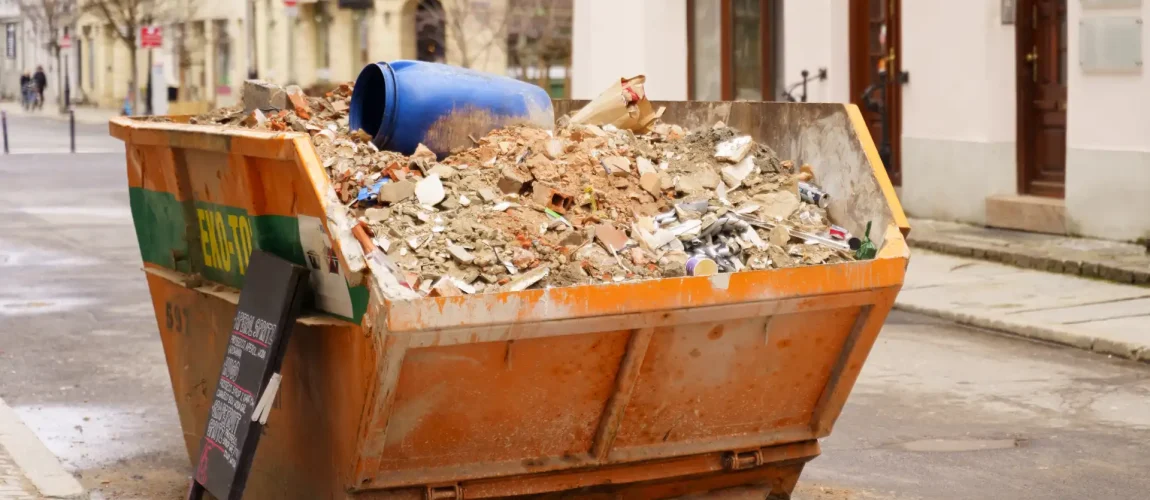
These types of projects often produce bulky waste such as tiles, insulation, and old fittings, making a skip essential for quick and safe disposal.
Garden maintenance is another common winter task. Pruning trees, removing fallen branches, and clearing leaves can create more green waste than expected.
Similarly, after Christmas, households frequently face post-holiday clear-outs involving packaging, decorations, and unwanted items. Each of these generates different types of waste, so selecting the right skip and disposal method is key to staying organised.
Choosing the Right Skip Size for Winter Jobs
Selecting the right skip size is one of the most important steps in winter waste management. Smaller skips are ideal for domestic clean-ups or garden jobs, while larger builders’ skips suit renovation and construction projects.
Overestimating your needs can waste money, but underestimating can lead to overfilled skips, which may not be collected.
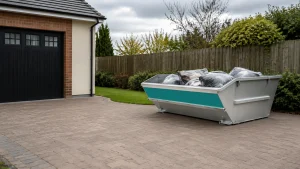
It’s also wise to consider where the skip will be placed. Winter weather can soften the ground, making it unsuitable for heavy containers. A driveway or solid surface is best to prevent the skip from sinking or tilting.
Always discuss your requirements with your skip hire provider, who can recommend a suitable size and placement for your particular project.
Managing Skip Placement in Wet or Icy Conditions
Proper placement is particularly important when dealing with wet or icy conditions. Skips should be positioned on level ground, away from areas prone to flooding or ice build-up.
Keeping skips close to the worksite minimises the distance for carrying waste, reducing the likelihood of slips or spillage.
If you need to place your skip on a public road, remember that most councils require a permit. In winter, these may take longer to process due to holiday backlogs, so apply early to avoid delays.
Adding reflective markings or cones around the skip also improves visibility during darker evenings, helping to prevent accidents. However, a reputable skip hire company like us can manage this for you.
Maximising Efficiency and Recycling During Winter
Efficient waste management doesn’t just save time—it also helps the environment. Winter projects often generate a mix of recyclable and non-recyclable materials.
Sorting waste as you go prevents recyclables from becoming contaminated by wet or dirty items.
Keeping your skip covered when not in use helps stop rainwater from seeping in, which can add unnecessary weight and make collection more costly.
Many skip hire companies now offer recycling options as part of their service. Taking advantage of these ensures that as much material as possible is repurposed rather than sent to landfill.
By managing your waste responsibly, you can complete your winter project knowing you’ve reduced your environmental impact.
Why Local Skip Hire Services Are Ideal in Winter
Choosing a local skip hire company in Birmingham has several advantages during winter. Local providers understand regional weather patterns and road conditions, allowing us to schedule collections and deliveries more reliably.
We can also respond quickly if your skip needs to be exchanged or collected earlier than expected.
Additionally, working with a nearby service supports local businesses and often results in more flexible and affordable options.
Local teams can advise on council permit requirements and help you navigate any restrictions specific to your area. In the unpredictable British winter, that local expertise can make all the difference.
Conclusion
Effective waste management in winter requires preparation, flexibility, and the right skip hire partner.
With careful planning, you can keep your home improvement or construction project running safely and efficiently despite the cold and wet weather.
By choosing a reliable local provider, selecting the appropriate skip size, and following good waste-sorting practices, you’ll make your winter projects smoother and more environmentally friendly.
A little extra care now can save time, money, and stress as you see your work through to spring.