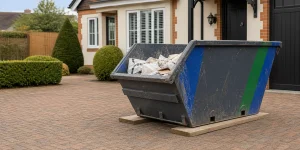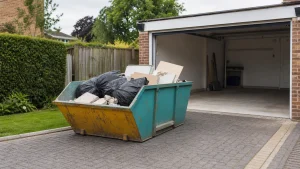
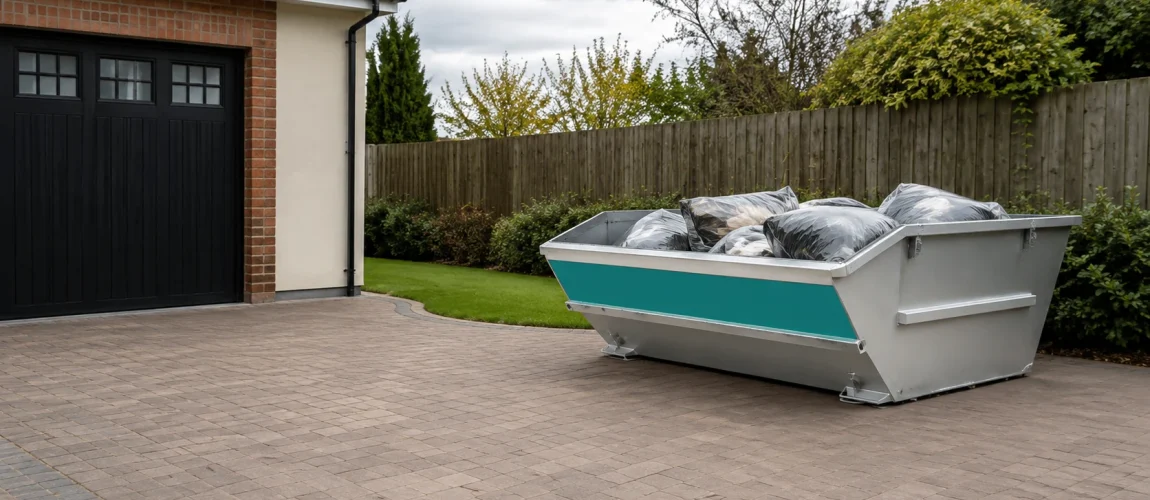
One of the most common questions before booking a skip is simple: how long can you keep it? For most household clear outs and small improvement projects, the answer depends on the hire terms, where the skip will sit and how quickly you expect the work to move.
The good news is that skip hire is designed to be practical. With a little planning, you can give yourself enough time to load steadily, avoid wasted space and arrange collection when the skip has done its job.
What is a typical skip hire period?
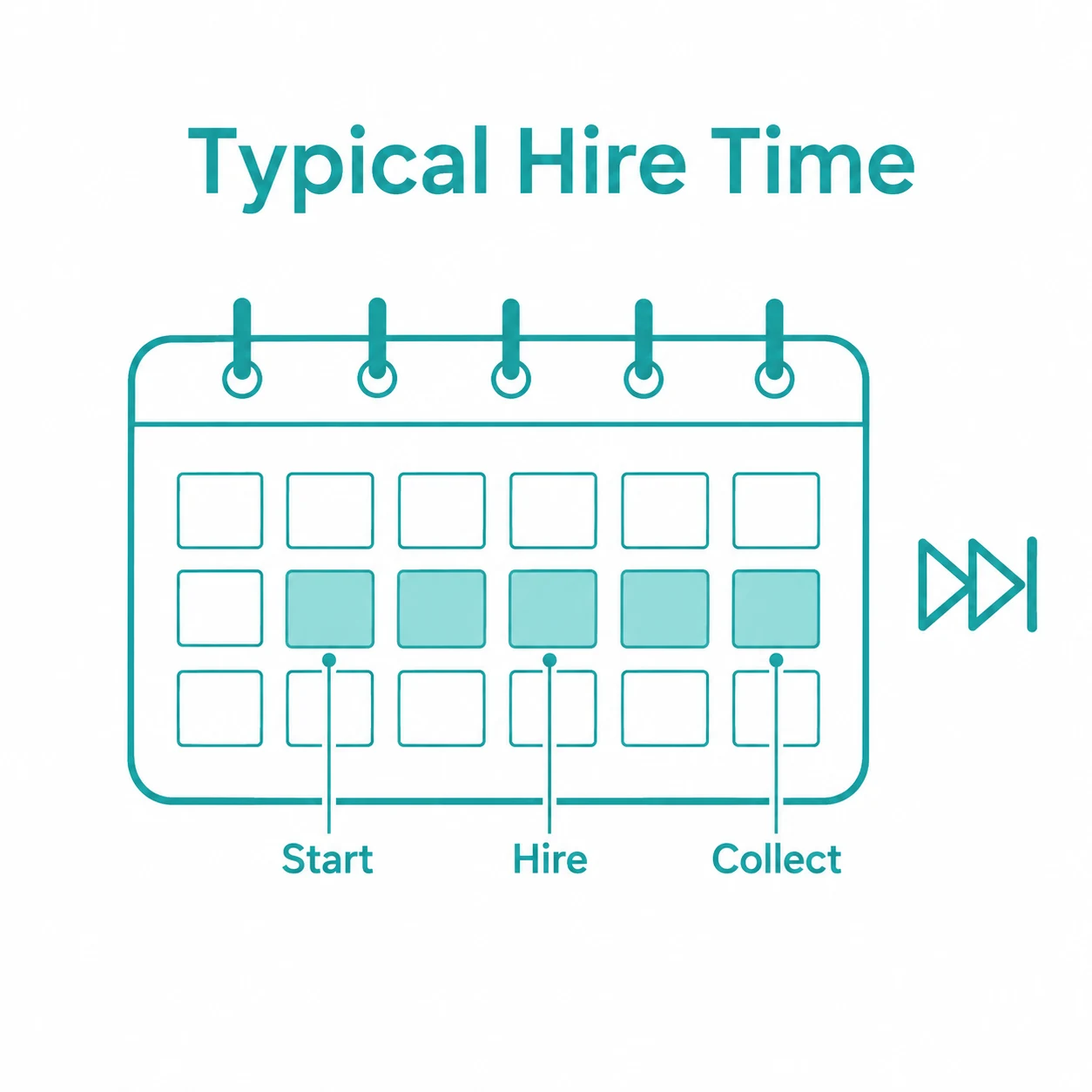
Most domestic skip hires are arranged for a set hire period. This is often long enough for a normal clear out, decorating project, bathroom strip out, garden tidy or small renovation. The exact period can vary between providers, so it is always worth checking the terms when you book.
In everyday terms, many people use a skip for a few days to a couple of weeks. Some jobs are finished quickly because the waste is already sorted and ready to go. Others need more time because the waste is produced gradually as the work moves from room to room.
The best approach is to think about the skip as part of your project plan, not as an afterthought. If you are clearing a loft, garage or spare room, you may know exactly what needs to go. If you are taking on a small refurbishment, the waste may build up in stages, so a slightly longer hire can feel more comfortable.
Centrowaste can usually guide you on the kind of hire period that suits the job when you book. You do not need to guess perfectly, but it helps to be realistic about how much free time you have, who will be loading the skip and whether any work needs to happen before waste can be removed.
What affects how long you need the skip?

The size of the job is the obvious factor, but it is not the only one. A small job can still take several days if you are fitting it around work, childcare or other commitments. A larger job can move quickly if trades are already on site and the waste is being loaded as it is created.
The type of waste matters too. Bagged household clutter is often easy to move in batches. Rubble, tiles, soil and renovation debris can take longer because they are heavy and need to be carried safely. Mixed waste may also need a bit of sorting before it goes into the skip, especially if you have items that cannot be placed inside.
Access is another practical point. A skip on a private driveway is usually easier to load at your own pace. If the skip is placed on a public road, extra rules may apply and the hire period may be influenced by permit conditions. Your provider can explain what is possible before delivery.
It is also worth thinking about weather and site conditions. Wet materials can become heavier and harder to handle. A tidy loading area, clear access and a sensible route from the work area to the skip can make a noticeable difference. If you want to prepare properly before delivery, Centrowaste has a helpful guide on how to prepare your site for a skip delivery.
Should you book for longer than you think you need?
It can be tempting to book the shortest period possible, especially if you want the skip gone quickly. That can work well when the waste is ready before the skip arrives. For example, if you have already bagged general clutter or stacked old fittings safely, loading may only take a day or two.
For projects that are still unfolding, it is usually better to allow a little breathing room. Rushing can lead to poor loading, wasted space and extra handling. A skip works best when heavier items go in carefully, flat materials are laid sensibly and awkward gaps are reduced as you go.
A longer hire period does not mean the skip has to stay until the final day. If it is filled sooner, you can normally ask for collection earlier, subject to availability. This gives you flexibility without forcing the whole project into an unrealistic window.
Good planning also reduces the chance of needing a second skip because the first one was filled badly or ordered too small. If you are unsure about capacity, it may help to review Centrowaste’s guide on estimating skip size for typical domestic projects before booking.
Keeping a skip on a driveway, street or small site

Where the skip is placed can affect how long it is sensible to keep it. On a private driveway, many households prefer to keep the skip until the main work is complete, provided it does not block daily access or create inconvenience. A driveway position can be especially useful for room by room clear outs, garden projects and renovation work where waste appears over several days.
If you are worried about the surface beneath the skip, ask about placement before delivery. A careful delivery position and sensible loading can help reduce avoidable issues. Centrowaste also has practical advice on whether a skip can go on a driveway without damage.
On a public road, the situation can be different. Road placement may involve permissions, safety requirements and a defined period. In that case, it is wise to be ready to load as soon as the skip arrives, so you make full use of the time available.
For small work sites, the main issue is usually coordination. The skip should be available when waste is being produced, but not sit empty while work is waiting to start. Agreeing delivery and collection around the project schedule keeps the site tidy and helps trades work efficiently.
How to avoid needing extra time
A bit of preparation before delivery can make the hire period feel much easier. Start by deciding what is definitely going into the skip. Separate anything that needs a different disposal route, such as electrical items, hazardous materials, liquids or restricted waste. Your skip provider can confirm what cannot be accepted.
Next, create a clear loading route. If waste has to be carried through a narrow hallway, around parked cars or over uneven ground, the job will naturally take longer. Moving small obstacles in advance can save repeated delays.
It also helps to load in a sensible order. Put flat items and heavier materials in first where possible, then use smaller waste to fill gaps. Do not overload the skip or stack waste above the fill line, as this can delay collection and may require waste to be removed before transport.
If several people are helping, agree the plan before anyone starts throwing things in. One person loading randomly can undo a lot of careful space saving. For small jobs, Centrowaste’s guide on whether skip hire is worth it for small jobs or DIY projects is useful when weighing up convenience and volume.
What if the skip is full earlier or you need it longer?
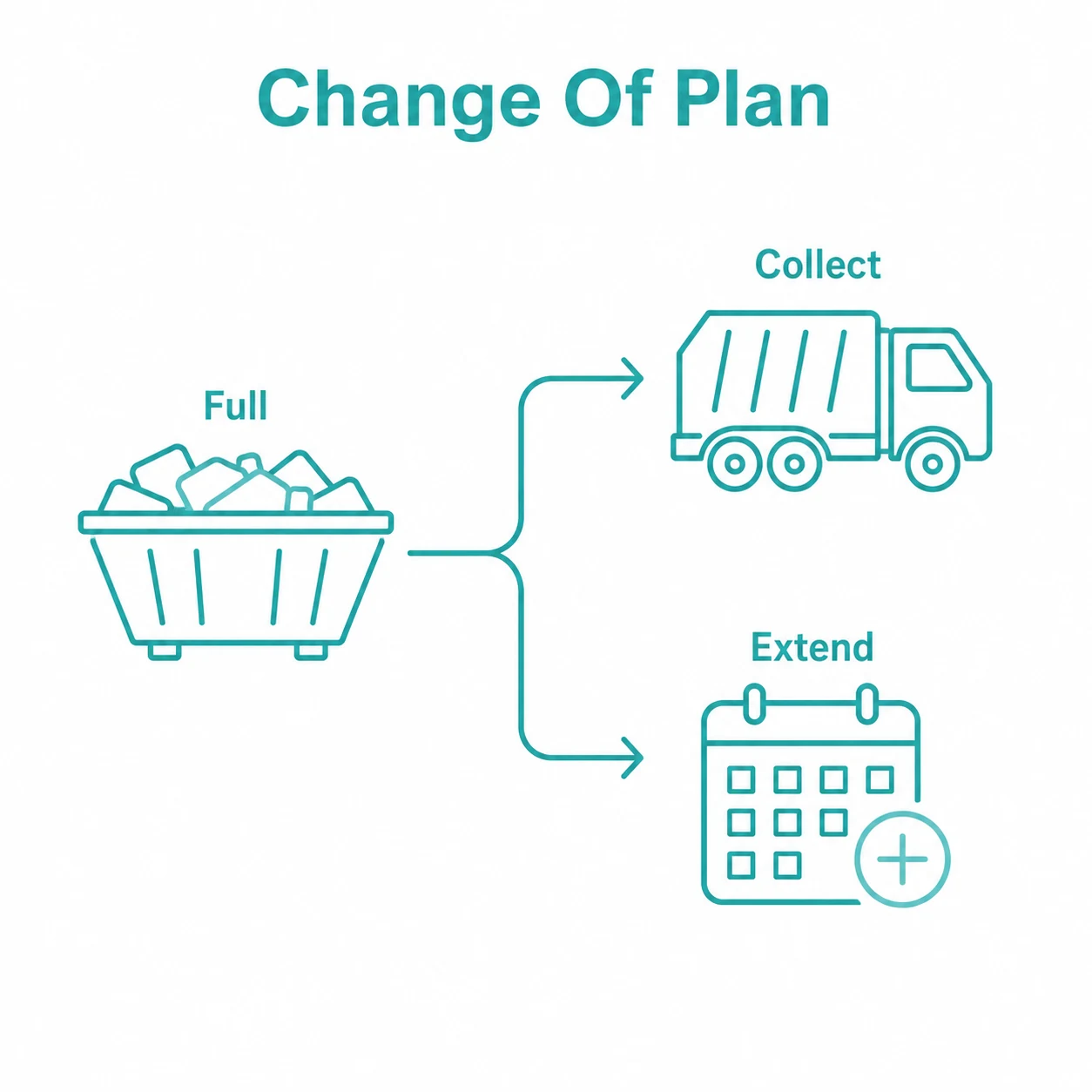
If the skip is full earlier than expected, contact the hire team and ask about collection. Early collection is often possible when schedules allow. This is useful if you want to clear space on a driveway, finish a site tidy or move on to the next stage of a project.
If you need the skip for longer, get in touch before the agreed collection date. Providers are usually better able to help when they have notice. Leaving it until collection is already due can make changes harder to arrange, especially during busy periods.
Being clear helps. Explain whether the skip is nearly full, half full or still waiting for a final phase of waste. If your project has changed, the hire team may be able to suggest the best next step, such as extending the hire, collecting and replacing the skip, or arranging collection once the final load is ready.
The main thing is communication. Skip hire is a practical service, and the smoothest jobs are usually the ones where delivery, loading and collection are treated as part of the same plan.
- Most domestic skip hires are arranged for a set period, so always confirm the terms when booking.
- The right hire length depends on the project, waste type, access and how quickly you can load safely.
- A skip can often be collected early if it is full sooner than expected, subject to availability.
- If you need more time, contact the hire team before the collection date so they can advise.
- Planning your loading route and waste order helps you make better use of the hire period.
Frequently asked questions
Can I keep a hired skip for just one day?
In many cases, short hire can be arranged if the waste is ready to load. Availability and collection timing depend on the provider’s schedule, so it is best to ask when booking.
What happens if I fill the skip before the hire period ends?
You can usually contact the hire team and request collection. Early collection may be possible, and it can help free up space once the skip has served its purpose.
Can I extend my skip hire period?
Often, yes, but it is important to ask before the agreed collection date. The earlier you contact the provider, the easier it is for them to advise on options.
Is it better to load the skip all at once or over several days?
Either can work. Loading all at once is efficient if the waste is ready, while loading over several days suits projects where waste is created gradually. The key is to keep within the fill line and load safely.
Plan your skip hire with confidence
If you are unsure how long you will need a skip, Centrowaste can help you choose a practical hire period for your clear out, garden tidy or small project.